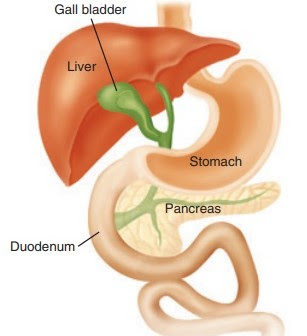
Lipases are a family of enzymes that break down triglycerides into free fatty acids and glycerol. Lipase function is to digest fats and lipids, helping to maintain correct gallbladder function. Lipase is the one such widely used and versatile enzyme. It is also found in many plants, animals, bacteria, and molds.
Lipases play an essential role in lipid transport and serve individual functions in several tissues, including hepatic lipase in the liver, hormone-sensitive lipases in the adipocytes, lipoprotein lipase in the endothelial cells, and pancreatic lipase in the small intestine.
Lipase is produced in the pancreas, mouth, and stomach. Most people produce enough pancreatic lipase, but people with cystic fibrosis, Crohn disease, and celiac disease may not have enough lipase to get the nutrition they need from food. Taking a lipase supplement can help ease digestion, especially after a high-fat meal.
It's normal to have a small amount of lipase in the blood. But if the cells of the pancreas are damaged, they will release larger amounts of lipase. So high levels of lipase in human blood may mean the person have pancreatitis, (an inflamed, swollen pancreas) or another type of pancreatic disease.
Functions of enzyme
What does the term "diet" mean? The definition of a diet as the complete oral consumption of nutrients and non-nutritive substances is comprehensive yet lacks specificity. It is defined by the typical composition and allocation of nutrients and foods ingested by an individual or a specified group.
Showing posts with label functions. Show all posts
Wednesday, September 14, 2022
Friday, March 18, 2022
The importance of saliva
Saliva is an important part of a healthy body. Saliva is a clear liquid produced by the salivary glands in the mouth. The parotid, submandibular, and sublingual salivary glands contribute to 90% of total saliva secretions, while minor salivary glands contribute to the remaining 10%.
Saliva is mostly made of water. But saliva also contains important substances that the body needs to digest food and keep the teeth strong.
Saliva is important because it:
*Keeps mouth moist and comfortable
*Moistens food and aids in compacting food into a bolus
*Dissolves food chemicals so they can be tasted
*Fights germs in mouth and prevents bad breath
*Helps keep dentures securely in place
*Has proteins and minerals that protect tooth enamel and prevent tooth decay and gum disease
On average, a healthy person produces between 0.75 and 1.5 liters of saliva each day. Saliva production peaks when a person is eating and is at its lowest during sleep. A dry mouth can occur when the salivary glands in mouth don't produce enough saliva. This is often the result of dehydration, which means the body doesn’t have enough fluid to produce the saliva you need.
The importance of saliva
Saliva is mostly made of water. But saliva also contains important substances that the body needs to digest food and keep the teeth strong.
Saliva is important because it:
*Keeps mouth moist and comfortable
*Moistens food and aids in compacting food into a bolus
*Dissolves food chemicals so they can be tasted
*Fights germs in mouth and prevents bad breath
*Helps keep dentures securely in place
*Has proteins and minerals that protect tooth enamel and prevent tooth decay and gum disease
On average, a healthy person produces between 0.75 and 1.5 liters of saliva each day. Saliva production peaks when a person is eating and is at its lowest during sleep. A dry mouth can occur when the salivary glands in mouth don't produce enough saliva. This is often the result of dehydration, which means the body doesn’t have enough fluid to produce the saliva you need.
The importance of saliva
Labels:
functions,
importance,
saliva
Friday, January 21, 2022
Functions of liver in digestive system
The liver is an organ only found in vertebrates which detoxifies various metabolites, synthesizes proteins, and produces biochemicals necessary for digestion and growth.
In general, main functions of the liver in digestive system include:
*Bile production and excretion
*Synthesis of plasma proteins
*Production of cholesterol and special proteins to help carry fats through the body
*Storage of glycogen, vitamins, and minerals
Liver main job within the digestive system is to process the nutrients absorbed from the small intestine.
Liver is important in carbohydrate metabolism where hepatic cells conduct glycogenesis (converting glucose into glycogen) , and glycogenolysis (breaking glycogen down to glucose).
The liver is one of the largest organs in the body and it is continuously producing bile. Bile from the liver secreted into the small intestine plays an important role in digesting fat and some vitamins.
Bile flows out of the liver into the right and left hepatic ducts, into the common hepatic ducts, and toward the small intestine to help with digestion and the absorption of fats.
Functions of liver in digestive system
In general, main functions of the liver in digestive system include:
*Bile production and excretion
*Synthesis of plasma proteins
*Production of cholesterol and special proteins to help carry fats through the body
*Storage of glycogen, vitamins, and minerals
Liver main job within the digestive system is to process the nutrients absorbed from the small intestine.
Liver is important in carbohydrate metabolism where hepatic cells conduct glycogenesis (converting glucose into glycogen) , and glycogenolysis (breaking glycogen down to glucose).
The liver is one of the largest organs in the body and it is continuously producing bile. Bile from the liver secreted into the small intestine plays an important role in digesting fat and some vitamins.
Bile flows out of the liver into the right and left hepatic ducts, into the common hepatic ducts, and toward the small intestine to help with digestion and the absorption of fats.
Functions of liver in digestive system
Labels:
functions,
liver,
metabolism
Monday, September 06, 2021
Human blood plasma
Blood is a connective tissue. It is made up of cellular elements and an extracellular matrix. The extracellular matrix, called plasma, makes blood unique among connective tissues because it is fluid.
Plasma, also known as blood plasma, appears light-yellowish or straw-colored. It serves as the liquid base for whole blood. Whole blood minus erythrocytes (RBCs), leukocytes (WBCs), and thrombocytes (platelets) make up the plasma.
Plasma contains 91% to 92% of water and 8% to 9% of solids. The blood plasma contains many small organic molecules, acts as a transport system for many larger ones, and is itself characterized by its content of the plasma proteins.
Plasma serves as a transport medium for delivering nutrients, hormones, and proteins to the different parts of the body. It also carries away the waste products of cell metabolism from various tissues to the organs responsible transporting waste products derived from cellular metabolism to the kidneys, liver, and lungs for excretion. In addition, plasma is the vehicle for the transport of the blood cells through the blood vessels.
Plasma can be collected from blood, and it contains approximately 10–20% more proteins than serum due to the presence of the clotting factors that are lost during serum collection. Plasma is usually used when a quick analysis is required.
Human blood plasma
Plasma, also known as blood plasma, appears light-yellowish or straw-colored. It serves as the liquid base for whole blood. Whole blood minus erythrocytes (RBCs), leukocytes (WBCs), and thrombocytes (platelets) make up the plasma.
Plasma contains 91% to 92% of water and 8% to 9% of solids. The blood plasma contains many small organic molecules, acts as a transport system for many larger ones, and is itself characterized by its content of the plasma proteins.
Plasma serves as a transport medium for delivering nutrients, hormones, and proteins to the different parts of the body. It also carries away the waste products of cell metabolism from various tissues to the organs responsible transporting waste products derived from cellular metabolism to the kidneys, liver, and lungs for excretion. In addition, plasma is the vehicle for the transport of the blood cells through the blood vessels.
Plasma can be collected from blood, and it contains approximately 10–20% more proteins than serum due to the presence of the clotting factors that are lost during serum collection. Plasma is usually used when a quick analysis is required.
Human blood plasma
Labels:
blood plasma,
components,
functions
Tuesday, August 11, 2020
The meaning of diuretic
The word diuretic has a Greek stem, diu (through) oy r1ih (to urinate), and a diuretic is defined as any substance that increases urine flow and thereby water excretion.
Diuretics are among the most commonly used drugs and the majority act by reducing sodium chloride reabsorption at different sites in the nephron, thereby increasing urinary sodium, and consequently, water loss.
Diuretics are used to relieve oedema associated with heart failure, nephrotic syndrome or hepatic cirrhosis. Some diuretics are used at lower doses to reduce raised blood pressure. Osmotic diuretics are mainly used to treat cerebral oedema, and also to lower raised intraocular pressure.
Some diuretics, such as acetazolamide, help to make the urine more alkaline and are helpful in increasing excretion of substances such as aspirin in cases of overdose or poisoning.
All diuretic agents act primarily by impairing Na+ reabsorption in the renal tubules.
The most common and clinically useful classification of diuretic agents is related to their mechanism and, consequently, their major site of action along the nephron. Based on this, diuretic compounds can be divided into carbonic anhydrase inhibitors, osmotic agents, loop diuretics, thiazides and related sulfonamide compounds and potassium sparing diuretics, including amiloride, triamterene and aldosterone antagonists.
The meaning of diuretic
Diuretics are among the most commonly used drugs and the majority act by reducing sodium chloride reabsorption at different sites in the nephron, thereby increasing urinary sodium, and consequently, water loss.
Diuretics are used to relieve oedema associated with heart failure, nephrotic syndrome or hepatic cirrhosis. Some diuretics are used at lower doses to reduce raised blood pressure. Osmotic diuretics are mainly used to treat cerebral oedema, and also to lower raised intraocular pressure.
Some diuretics, such as acetazolamide, help to make the urine more alkaline and are helpful in increasing excretion of substances such as aspirin in cases of overdose or poisoning.
All diuretic agents act primarily by impairing Na+ reabsorption in the renal tubules.
The most common and clinically useful classification of diuretic agents is related to their mechanism and, consequently, their major site of action along the nephron. Based on this, diuretic compounds can be divided into carbonic anhydrase inhibitors, osmotic agents, loop diuretics, thiazides and related sulfonamide compounds and potassium sparing diuretics, including amiloride, triamterene and aldosterone antagonists.
The meaning of diuretic
Monday, July 06, 2020
Roles of hydrochloric acid in stomach
The best-known component of gastric juice is hydrochloric acid. Hydrochloric acid is produced by the parietal cells or oxyntic cells of the stomach. These glands open into the gastric pits on the gastric mucosal surfaces.
Gastric hydrochloric acid is secreted from the highly specialized parietal cells located in the corpus of the stomach, generating a H+ concentration in the gastric juice that is 3 million times greater than that in blood and tissue. The process is controlled by a complex system of endocrine cells and neurons.
Hydrochloric acid secretion assists protein digestion by activating pepsinogen to pepsin, renders the stomach sterile against orally-ingested pathogens, prevents bacterial or fungal overgrowth of the small intestine, encourages the flow of bile and pancreatic enzymes, and facilitates the absorption of a variety of nutrients, including folic acid, ascorbic acid, beta-carotene, non-heme iron, and some forms of calcium, magnesium, and zinc.
The secretion of hydrochloric acid by the stomach plays an important role in protecting the body against pathogens ingested with food or water. A gastric acid pH of 1 to 2 is deleterious to many microbial pathogens. The gastric juice is the first line of defense against infection throughout the gastrointestinal tract.
Approximately 2 L of hydrochloric acid is produced daily. The pH level in the stomach depending on factors such as food intake, stress, and medications or supplements. An increase in hydrochloric acid and decreasing pH level also signal gastric motility to turn on to move the partially digested bolus of food along and help kill bacteria normally ingested with food.
Roles of hydrochloric acid in stomach
Gastric hydrochloric acid is secreted from the highly specialized parietal cells located in the corpus of the stomach, generating a H+ concentration in the gastric juice that is 3 million times greater than that in blood and tissue. The process is controlled by a complex system of endocrine cells and neurons.
Hydrochloric acid secretion assists protein digestion by activating pepsinogen to pepsin, renders the stomach sterile against orally-ingested pathogens, prevents bacterial or fungal overgrowth of the small intestine, encourages the flow of bile and pancreatic enzymes, and facilitates the absorption of a variety of nutrients, including folic acid, ascorbic acid, beta-carotene, non-heme iron, and some forms of calcium, magnesium, and zinc.
The secretion of hydrochloric acid by the stomach plays an important role in protecting the body against pathogens ingested with food or water. A gastric acid pH of 1 to 2 is deleterious to many microbial pathogens. The gastric juice is the first line of defense against infection throughout the gastrointestinal tract.
Approximately 2 L of hydrochloric acid is produced daily. The pH level in the stomach depending on factors such as food intake, stress, and medications or supplements. An increase in hydrochloric acid and decreasing pH level also signal gastric motility to turn on to move the partially digested bolus of food along and help kill bacteria normally ingested with food.
Roles of hydrochloric acid in stomach
Labels:
functions,
gastric juice,
hydrochloric acid,
stomach
Sunday, June 14, 2020
Fat soluble vitamin: Vitamin A
Vitamin A is an essential micronutrient for humans, meaning that it cannot be biosynthesized in the body and thus must be obtained from dietary sources.
Vitamin A is a fat-soluble vitamin and also comprises of a group of unsaturated nutritional organic compounds. These compounds include preformed vitamin A that exist in the form of retinol (alcohol), retinal (aldehyde), retinoic acid (irreversibly oxidized form of retinol) and several pro-vitamin A carotenoids (mainly β–caro-tene). The preformed vitamin A can only be obtained from the diet in food of animal origin and is the most abundant form of vitamin A in the human body.
Vitamin A is mainly found in human tissues in the form of retinyl esters, which explains why the vitamin is commercially produced and administered as esters of retinyl acetate or palmitate.
Retinoic acid (RA) is the active form of the retinol isoform of vitamin A, which functions as a hormone-like growth factor for epithelial cells and many other cell types of different tissues in the human body. In the absence of dietary fat-soluble vitamin A, epithelial cells of the renal system can undergo typical changes that predispose to the formation of concretions (urinary calculi) in the urinary tract.
A sufficient vitamin A (retinol) intake is essential for:
• the process of vision (especially night vision)
• growth and development, it is involved in the genetic regulation of cell and tissue formation, programming, and communication needed for reproduction and for the proper development of the embryo in the womb
• immune function it helps to protect against infections by ensuring the effectiveness of mechanical barriers (e.g., skin, mucosa), and increasing the production and efficacy of protective cells (e.g., lymphocytes)
• male and female reproductive organs.
Fat soluble vitamin: Vitamin A
Vitamin A is a fat-soluble vitamin and also comprises of a group of unsaturated nutritional organic compounds. These compounds include preformed vitamin A that exist in the form of retinol (alcohol), retinal (aldehyde), retinoic acid (irreversibly oxidized form of retinol) and several pro-vitamin A carotenoids (mainly β–caro-tene). The preformed vitamin A can only be obtained from the diet in food of animal origin and is the most abundant form of vitamin A in the human body.
Vitamin A is mainly found in human tissues in the form of retinyl esters, which explains why the vitamin is commercially produced and administered as esters of retinyl acetate or palmitate.
Retinoic acid (RA) is the active form of the retinol isoform of vitamin A, which functions as a hormone-like growth factor for epithelial cells and many other cell types of different tissues in the human body. In the absence of dietary fat-soluble vitamin A, epithelial cells of the renal system can undergo typical changes that predispose to the formation of concretions (urinary calculi) in the urinary tract.
A sufficient vitamin A (retinol) intake is essential for:
• the process of vision (especially night vision)
• growth and development, it is involved in the genetic regulation of cell and tissue formation, programming, and communication needed for reproduction and for the proper development of the embryo in the womb
• immune function it helps to protect against infections by ensuring the effectiveness of mechanical barriers (e.g., skin, mucosa), and increasing the production and efficacy of protective cells (e.g., lymphocytes)
• male and female reproductive organs.
Fat soluble vitamin: Vitamin A
Labels:
fat soluble vitamin,
functions,
health,
vitamin A
Tuesday, April 30, 2019
What is cholesterol?
Cholesterol is oily in nature but is not the same as fat. It is an
essential molecule to our well being as it helps for making cell
membranes, steroid hormones, nerve sheaths, manufacture bile acids, and
much more. The liver makes most of the cholesterol and the rest comes
from the diet.
Cholesterol is a member of a class of naturally occurring compounds called sterols. It is an essential part of the fatty sheath that insulates nerves and the outer membrane of all animal cells, and is a component of chemicals that include steroids and sex hormones such as androgens and estrogens.
Cholesterol can react with oxygen to become oxidized in the body. Oxidized cholesterol can injure endothelial cells and trigger or contribute to the process of atherosclerosis, Cholesterol in tallow use in some fast-food cooking, powered eggs, and french fries is oxidized. Oxidized cholesterol is also found in package mixes, powdered custards, and powdered whole milk.
Antioxidants are believed to protect cholesterol from becoming oxidized. Antioxidants act as electron donors and deactivate free radicals, preventing free radicals from injuring.
What is cholesterol?
Cholesterol is a member of a class of naturally occurring compounds called sterols. It is an essential part of the fatty sheath that insulates nerves and the outer membrane of all animal cells, and is a component of chemicals that include steroids and sex hormones such as androgens and estrogens.
Cholesterol can react with oxygen to become oxidized in the body. Oxidized cholesterol can injure endothelial cells and trigger or contribute to the process of atherosclerosis, Cholesterol in tallow use in some fast-food cooking, powered eggs, and french fries is oxidized. Oxidized cholesterol is also found in package mixes, powdered custards, and powdered whole milk.
Antioxidants are believed to protect cholesterol from becoming oxidized. Antioxidants act as electron donors and deactivate free radicals, preventing free radicals from injuring.
What is cholesterol?
Labels:
antioxidants,
cholesterol,
definition,
food,
functions
Wednesday, March 28, 2018
What are the main functions of minerals in human body?
In the body, some minerals are put together in orderly arrays in such structures as bones and teeth. Minerals are also found in the fluids of the body, which influences fluid balance and distribution.
Only 16 minerals are known to be essential in human nutrition. The minerals can be classified as macrominerals and trace elements. Normal function of the human body requires both large (macro) and micro (trace) quantities of minerals.
Minerals play an important role in maintaining the immune system of our body and any deficiency reduces the responsiveness of the system making human more prone to illness an infection. Infections increase the rate of metabolism within the body and thus the rate of tissue, breakdown, which creates need for extra nutrients.
There are three major minerals most abundant and most needed in the human body for survival, and they are calcium, magnesium, and potassium. All minerals play a vital role but are needed in lesser quantities.
What are the main functions of minerals in human body?
Only 16 minerals are known to be essential in human nutrition. The minerals can be classified as macrominerals and trace elements. Normal function of the human body requires both large (macro) and micro (trace) quantities of minerals.
Minerals play an important role in maintaining the immune system of our body and any deficiency reduces the responsiveness of the system making human more prone to illness an infection. Infections increase the rate of metabolism within the body and thus the rate of tissue, breakdown, which creates need for extra nutrients.
There are three major minerals most abundant and most needed in the human body for survival, and they are calcium, magnesium, and potassium. All minerals play a vital role but are needed in lesser quantities.
What are the main functions of minerals in human body?
Labels:
functions,
human body,
minerals
Tuesday, June 03, 2014
Summary of Fats
Fats are comprised of fatty acids bound, in bundles of three, to glycerol.
*Fatty acids are either saturated, monounsaturated or polyunsaturated.
*Fats contains mixtures of all three types of fatty acids; the balance of the mix determines whether the fat is generally saturated (hard) or polyunsaturated (soft).
*Fats are insoluble in water and require special treatment for digestion and transport.
*In digestion, bile acids act as detergents to solubilize fats to aids digestion.
*In transport, the fatty material is surrounded by a coat of protein plus phospholipid. The full particle is a lipoprotein.
*The liver can convert carbohydrate to fat, which is exported from the liver as a lipoprotein.
*Certain polyunsaturated fatty acids are nutritionally essentially because:
1. They are the precursors of the vitality important regulators of metabolism, the prostaglandins
2. The body cannot make them from either carbohydrate or existing dietary fatty acids.
Summary of Fats
*Fatty acids are either saturated, monounsaturated or polyunsaturated.
*Fats contains mixtures of all three types of fatty acids; the balance of the mix determines whether the fat is generally saturated (hard) or polyunsaturated (soft).
*Fats are insoluble in water and require special treatment for digestion and transport.
*In digestion, bile acids act as detergents to solubilize fats to aids digestion.
*In transport, the fatty material is surrounded by a coat of protein plus phospholipid. The full particle is a lipoprotein.
*The liver can convert carbohydrate to fat, which is exported from the liver as a lipoprotein.
*Certain polyunsaturated fatty acids are nutritionally essentially because:
1. They are the precursors of the vitality important regulators of metabolism, the prostaglandins
2. The body cannot make them from either carbohydrate or existing dietary fatty acids.
Summary of Fats
Labels:
characteristics,
fat,
fatty acids,
functions
Tuesday, July 12, 2011
Fat in our body
Fat is the name given to a broad category of substances we get from our food or make in our bodies.
Fat is an essential nutrient, which contributes approximately 30-45% of food energy in western diets.
In technical they are referred to as lipids.
Fat along with proteins and carbohydrates, one of the three nutrients are used as energy sources by the body.
Energy is one of the principal nutritional requirements of man and fat is a principal source of the energy.
Each grams of fat consumed supplies the body with 9 calories worth of energy.
Total fat: the sum of saturated, monounsaturated and polyunsaturated fats. Cholesterol is from another lipid family called sterols.
Intake of monounsaturated and polyunsaturated fats can help reduce blood cholesterol when substituted for saturated fats in the diet.
In chemistry, a compound formed from chemicals called fatty acids. These fats are greasy, solid materials found in animal tissues and in some plants.
For most part, human di not require fat sources in their diets because the body can synthesize most of the fatty acids it needs from other constituents, including carbohydrate and protein.
The brain needs saturated fats, polyunsaturated fat, cholesterol, and a number of other fats.
Fats are also a component of cell membranes, vitamin D and sex hormones.
Some types of fats give cell membranes flexibility and help regulate the transfer of nutrients into and out of cells.
While others serve as precursors to vitamin D and sex hormones, such as estrogen and testosterone.
Most saturated fats come from animal products. Unsaturated fats are prominent in both animal and vegetable foods.
The importance of dietary fat is underscored by the fat that 35% of the weight gain of an infant in early is accounted for by fat.
Most of the dietary fat is in the form of triglyceride formed by the three fatty acids esterified to a glycerol backbone.
The role of fat in the diet is both physiological and psychological. In its psychological aspect, it is important to appearance and taste of foods.
Fat in our body
Fat is an essential nutrient, which contributes approximately 30-45% of food energy in western diets.
In technical they are referred to as lipids.
Fat along with proteins and carbohydrates, one of the three nutrients are used as energy sources by the body.
Energy is one of the principal nutritional requirements of man and fat is a principal source of the energy.
Each grams of fat consumed supplies the body with 9 calories worth of energy.
Total fat: the sum of saturated, monounsaturated and polyunsaturated fats. Cholesterol is from another lipid family called sterols.
Intake of monounsaturated and polyunsaturated fats can help reduce blood cholesterol when substituted for saturated fats in the diet.
In chemistry, a compound formed from chemicals called fatty acids. These fats are greasy, solid materials found in animal tissues and in some plants.
For most part, human di not require fat sources in their diets because the body can synthesize most of the fatty acids it needs from other constituents, including carbohydrate and protein.
The brain needs saturated fats, polyunsaturated fat, cholesterol, and a number of other fats.
Fats are also a component of cell membranes, vitamin D and sex hormones.
Some types of fats give cell membranes flexibility and help regulate the transfer of nutrients into and out of cells.
While others serve as precursors to vitamin D and sex hormones, such as estrogen and testosterone.
Most saturated fats come from animal products. Unsaturated fats are prominent in both animal and vegetable foods.
The importance of dietary fat is underscored by the fat that 35% of the weight gain of an infant in early is accounted for by fat.
Most of the dietary fat is in the form of triglyceride formed by the three fatty acids esterified to a glycerol backbone.
The role of fat in the diet is both physiological and psychological. In its psychological aspect, it is important to appearance and taste of foods.
Fat in our body
Subscribe to:
Posts (Atom)
The most popular Articles
-
Purchase vegetables that are fresh, unprocessed, or canned and explicitly labeled as "no salt added." Prioritize fresh poultry, fi...
-
Selenium deficiency is a significant health concern in regions of China where the soil contains minimal selenium, leading to insufficient di...
-
A diet abundant in vitamin A (retinol) may greatly reduce the risk of stomach cancer, as revealed by a Swedish prospective study. The resear...
-
Distilling nutrition advice into a pyramid was a stroke of genius. The shape immediately suggests that some foods are beneficial and should ...
-
Vitamin in Fresh Juices If looking for vitamin potency, fresh juice can deliver. Just choose the vitamin wanted and drink the juices that co...
Other interesting articles
-
The History of Freeze-Dried Coffee - Freeze-dried coffee is one of the most important developments in the history of instant coffee. It allows coffee to be prepared quickly while preserving ...