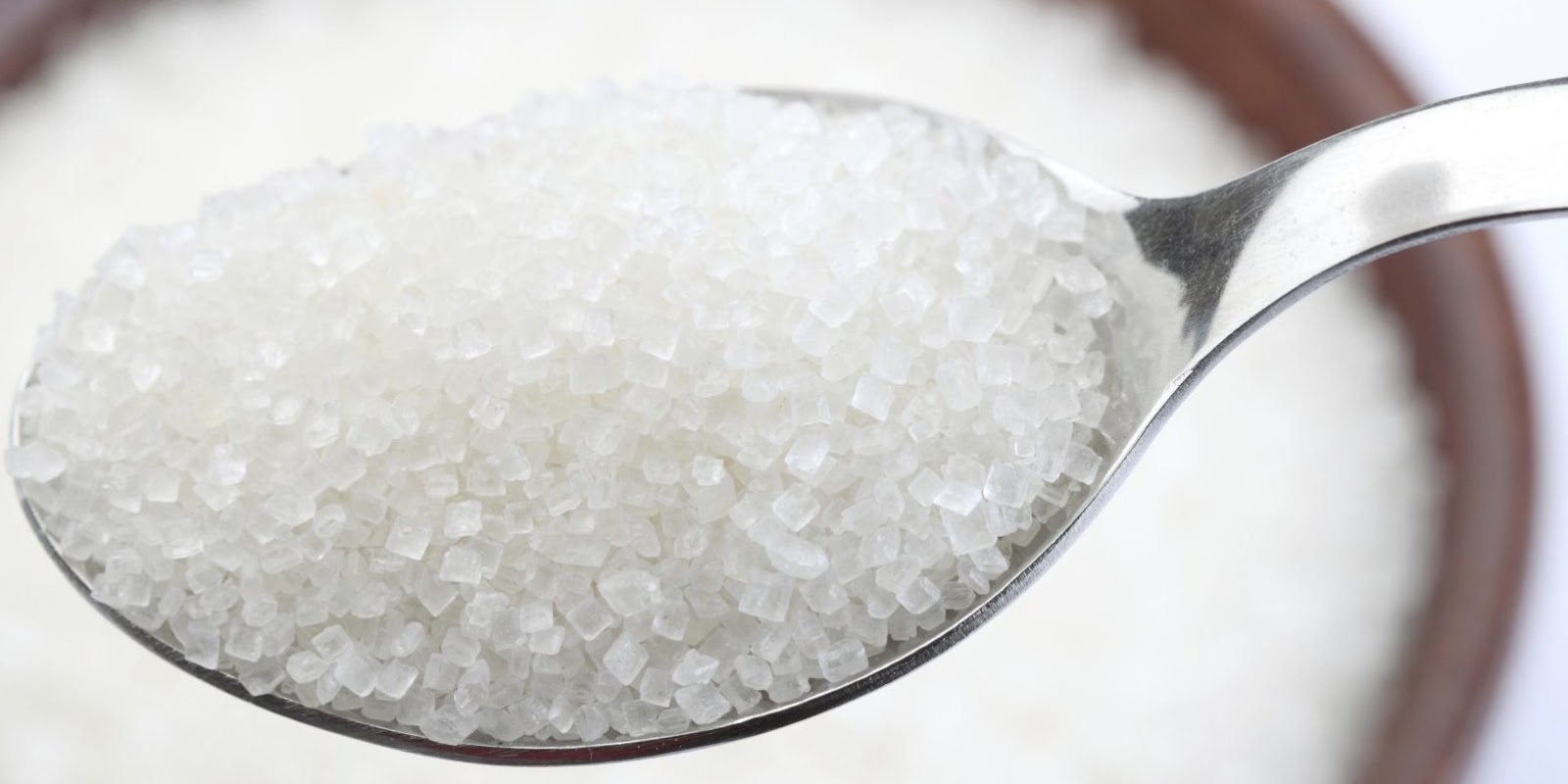
Consuming too many foods and beverages with added sugars makes it hard to achieve a healthy eating pattern.
Cake, sweets, or chocolate are all high in sugar and will increase glucose level in blood faster. Foods that encompass fewer than 5g sugar per serving are considered low sugar while more than 10g per serving is considered high sugar.
Substitute foods and drinks high in added sugars with healthier options. It could be done by:
• Eat fruit for dessert as an alternative of cookies or cakes
• Exchange sugary cereals for unsweetened cereal with fruit
• Drink water or low-fat milk with meals instead of soft drinks
We can still have foods and drinks with added sugars but just choose smaller portions or have them less often.
• If we need to choose to have a soft drink, select a smaller size
• Add 1 teaspoon of sugar to cup of tea or coffee instead of 2
According to the American Heart Association the limiting the amount of added sugars one person should consume to no more than half of his daily discretionary calories allowance. For women, that's no more than 100 calories per day, is about 25 grams or 6 teaspoons of sugar. While for men, it's 150 calories per day, is about 37.5 grams or 9 teaspoons.
Low Sugar Diet
What does the term "diet" mean? The definition of a diet as the complete oral consumption of nutrients and non-nutritive substances is comprehensive yet lacks specificity. It is defined by the typical composition and allocation of nutrients and foods ingested by an individual or a specified group.
Showing posts with label sugar. Show all posts
Saturday, November 10, 2018
Non-Milk Extrinsic Sugars
Extrinsic sugars are not located within the cellular structure of a food and the sugars added to foods & beverages during processing or home preparation & fruit juice. Non-Milk Extrinsic Sugars or NMES are all extrinsic sugars which are not from milk.
The definition Non-Milk Extrinsic Sugars includes all sugars that are neither components of milk, nor contained within plant cell walls. Thus, it includes table sugar, sugars and syrups used in processing, honey, and sugars in fruit juices. This type of sugar can cause tooth decay and it is recommended that children have sugar containing foods and drinks at meals times and in small amounts.
Dietary guidelines have emphasized limiting the intake of Non-Milk Extrinsic Sugars primarily on grounds of their putative contribution to dental caries and obesity. However, it has also been suggested that relatively high intakes of NMES may compromise micronutrient intake in individuals with low energy requirements and intakes.
The WHO recommends limiting Non-Milk Extrinsic Sugars consumption to <10 % energy to reduce the risk of unhealthy weight gain and dental caries, and to restrict frequency of intake to <4 times/d to reduce risk of dental caries.
Non-Milk Extrinsic Sugars
Labels:
NMES,
Non-Milk Extrinsic Sugars,
sugar
Saturday, March 10, 2018
Starch in food
Plants use water, carbon dioxide and energy from the sun to form simple sugars through a process called photosynthesis. When the sugar chains gather in large quantities inside a plant’s cells, they form starch grains, also called starch granules.
Starch is deposited in granules in almost all green plant and in various types of plant tissues and organs, e.g leaves, roots, shoots, fruits, grains and stems.
Grains are the riches food source of starch, providing much of the food energy for people all over the world. Starch may be produced from potatoes, rice, tapioca, or wheat by methods similar to corn, except that with potatoes and tapioca it is not necessary to degerm the product.
Starch is valuables because it can break down into simple sugars that provide human with sustained energy and keep them feeling full and satisfied.
Starch in food
Labels:
food sources,
plant,
starch,
sugar
Saturday, June 28, 2008
Sugar in the Diet
Sugar in the Diet
Sugar, the common name for sucrose (also saccharides), is extracted and refined from sugar cane and sugar beets. There are many substance chemical classified as sugars, and when these are referred to, they are always used with a qualifier such as in milk sugar (lactose), corn sugar (dextrose), and malt sugar (maltose).
When the word sugar is used without qualifier in, generally refers to the common sweetener (sucrose). Other sugars have varying degrees of sweetness relative to sucrose, and some sugars differ from sucrose in that they lend varying degrees of bitterness whereas sucrose imparts only a sweet taste.
Other important sources of sucrose include palm and maple trees and fruits. Chemically, and in every other way, cane sugar and beet sugar are the same. In addition to providing energy for the body and sweetness to foods, sugars perform numerous other roles in the food industry.
Sucrose is actually composed of glucose and fructose, and it is structurally unique in that its glycosidic bond involved the anomeric hydroxyl of both residues. The linkage is alpha with respect to the glucose and beta with respect to the fructose residue.
The dietary sugars that are most important nutritionally since free monosaccharides are not commonly present in the diet in significant quantities. There is, however, some free glucose and fructose on honey, in certain fruits, and in the carbohydrates that are added to processed foods. The cellular use of carbohydrates depends on their absorption from gastrointestinal (GI) tract into the blood stream, a process normally restricted to monosaccharides. Therefore the sugars must be hydrolyzed to their constituent monosaccharides units. The hydrolytic enzymes involved are collectively called glycosidase, or, alternatively, carbohydrases.
Sugar in the Diet
Sugar, the common name for sucrose (also saccharides), is extracted and refined from sugar cane and sugar beets. There are many substance chemical classified as sugars, and when these are referred to, they are always used with a qualifier such as in milk sugar (lactose), corn sugar (dextrose), and malt sugar (maltose).
When the word sugar is used without qualifier in, generally refers to the common sweetener (sucrose). Other sugars have varying degrees of sweetness relative to sucrose, and some sugars differ from sucrose in that they lend varying degrees of bitterness whereas sucrose imparts only a sweet taste.Other important sources of sucrose include palm and maple trees and fruits. Chemically, and in every other way, cane sugar and beet sugar are the same. In addition to providing energy for the body and sweetness to foods, sugars perform numerous other roles in the food industry.
Sucrose is actually composed of glucose and fructose, and it is structurally unique in that its glycosidic bond involved the anomeric hydroxyl of both residues. The linkage is alpha with respect to the glucose and beta with respect to the fructose residue.
The dietary sugars that are most important nutritionally since free monosaccharides are not commonly present in the diet in significant quantities. There is, however, some free glucose and fructose on honey, in certain fruits, and in the carbohydrates that are added to processed foods. The cellular use of carbohydrates depends on their absorption from gastrointestinal (GI) tract into the blood stream, a process normally restricted to monosaccharides. Therefore the sugars must be hydrolyzed to their constituent monosaccharides units. The hydrolytic enzymes involved are collectively called glycosidase, or, alternatively, carbohydrases.
Sugar in the Diet
Subscribe to:
Posts (Atom)
The most popular Articles
-
Extrinsic sugars are not located within the cellular structure of a food and the sugars added to foods & beverages during processing or ...
-
Metabolic are measured under basal conditions is known as basal metabolic rate. Basal metabolic rate means rate of energy utilization in the...
-
The word diuretic has a Greek stem, diu (through) oy r1ih (to urinate), and a diuretic is defined as any substance that increases urine flow...
-
Honey represents a thick, highly concentrated sugar solution derived from nectar gathered and transformed by honeybees. Acacia honey, specif...
-
Food Sources of Vitamin E Alpha-tocopherol is the most active form of vitamin E in humans, and is a powerful biological antioxidant. The alp...
Other interesting articles
-
The History of Freeze-Dried Coffee - Freeze-dried coffee is one of the most important developments in the history of instant coffee. It allows coffee to be prepared quickly while preserving ...