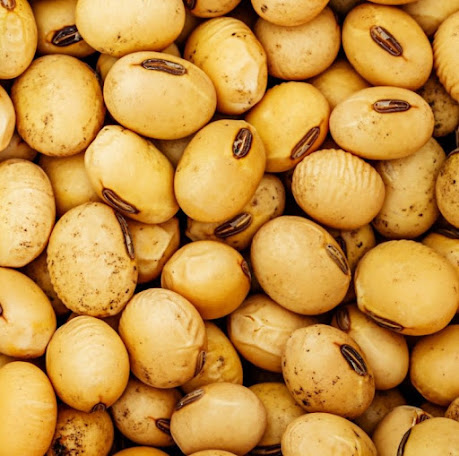
Fruits and vegetables are foundational to a healthy diet due to their rich nutritional profile and low-calorie content, making them essential for overall health and disease prevention. These colorful foods are packed with fiber, vitamins, and minerals vital for maintaining optimal bodily functions. Incorporating a variety of fruits and vegetables into daily meals can yield numerous health benefits.
Nutritionally, fruits and vegetables are known for their high fiber content, which aids digestion and promotes a feeling of fullness, crucial for weight management. They are also abundant sources of essential vitamins such as A, C, and K, as well as minerals like potassium and magnesium. These nutrients play key roles in maintaining healthy skin, bones, and immune function.
In terms of disease prevention, a diet rich in fruits and vegetables can significantly reduce the risk of chronic illnesses. Studies have shown that consuming these foods regularly can lower the risk of heart disease and stroke due to their ability to regulate blood pressure and cholesterol levels. Additionally, the antioxidants found in fruits and vegetables are believed to help prevent certain types of cancer, including those affecting the colon and lungs.
Specific types of fruits and vegetables offer unique health benefits. Yellow and dark green vegetables are particularly rich in vitamin A, vital for vision health and immune function. Green leafy vegetables, like spinach and kale, are excellent sources of calcium, iron, and magnesium, in addition to vitamins C and B. Opting for darker greens ensures higher nutritional value.
To maximize nutritional intake, dietary suggestions emphasize the importance of consuming a variety of colors. For example, choosing cauliflower over potatoes provides more nutrients with fewer calories. Dark lettuces and spinach offer more benefits than iceberg lettuce. Including carrots, sweet potatoes, and tomatoes in meals ensures a diverse intake of vitamins and antioxidants.
In terms of weight management, fruits and vegetables play a crucial role in caloric control. By focusing on calorie intake and replacing high-calorie foods with nutrient-dense alternatives, individuals can maintain a healthy weight while meeting their nutritional needs. Variety in fruit and vegetable selection is key to sustaining interest in healthy eating habits over time.
In conclusion, fruits and vegetables are not only tasty additions to meals but also essential components of a balanced diet. By incorporating a colorful array of these foods into daily eating habits, individuals can enjoy improved overall health and reduced risk of chronic diseases, all while managing their weight effectively.
The Vital Role of Fruits and Vegetables in Human Nutrition
What does the term "diet" mean? The definition of a diet as the complete oral consumption of nutrients and non-nutritive substances is comprehensive yet lacks specificity. It is defined by the typical composition and allocation of nutrients and foods ingested by an individual or a specified group.
Showing posts with label nutrition. Show all posts
Monday, May 06, 2024
Sunday, July 09, 2023
Pecans: Nutritional powerhouse
Pecans are a natural and high-quality protein source that contains a minimal amount of carbohydrates and is free of cholesterol. They have a low carbohydrate content, with just 4 grams per ounce of pecan halves, primarily consisting of fiber.
Considered a high-fat nut, pecans provide 20 grams of fat per ounce. However, the fat in pecans mainly comprises beneficial monounsaturated fats. Choosing foods rich in monounsaturated fats like pecans instead of saturated fat sources like potato chips can help reduce levels of LDL cholesterol.
In addition to their protein and healthy fat content, pecans offer a wide range of essential vitamins and minerals. They contain more than 19 vitamins and minerals, including vitamin A, vitamin E, folic acid, calcium, magnesium, phosphorus, potassium, copper, various B vitamins, and zinc.
Furthermore, pecans are a notable source of calcium, magnesium, and potassium, which contribute to the lowering of blood pressure. Copper, another essential mineral present in pecans, plays a vital role in multiple aspects of human health, including nerve cell function, immune health, and the production of red blood cells.
Thiamine, also known as vitamin B1, is crucial in converting carbohydrates into energy to fuel the human body.
Many of the health benefits associated with pecans are attributed to their unsaturated fat and fiber content. Additionally, pecans are rich in polyphenols, which possess antioxidant properties.
Pecans: Nutritional powerhouse
Considered a high-fat nut, pecans provide 20 grams of fat per ounce. However, the fat in pecans mainly comprises beneficial monounsaturated fats. Choosing foods rich in monounsaturated fats like pecans instead of saturated fat sources like potato chips can help reduce levels of LDL cholesterol.
In addition to their protein and healthy fat content, pecans offer a wide range of essential vitamins and minerals. They contain more than 19 vitamins and minerals, including vitamin A, vitamin E, folic acid, calcium, magnesium, phosphorus, potassium, copper, various B vitamins, and zinc.
Furthermore, pecans are a notable source of calcium, magnesium, and potassium, which contribute to the lowering of blood pressure. Copper, another essential mineral present in pecans, plays a vital role in multiple aspects of human health, including nerve cell function, immune health, and the production of red blood cells.
Thiamine, also known as vitamin B1, is crucial in converting carbohydrates into energy to fuel the human body.
Many of the health benefits associated with pecans are attributed to their unsaturated fat and fiber content. Additionally, pecans are rich in polyphenols, which possess antioxidant properties.
Pecans: Nutritional powerhouse
Monday, January 03, 2022
Nutritional properties of fresh milk
Milk can be defined as a whitish liquid containing milk proteins, fats, lactose, and various vitamins and minerals, produced by the mammary glands of all adult female mammals after childbirth and serves as food for their young.
Milk is a major source of dietary energy, protein and fat, contributing on average 134 kcal of energy/capita per day, 8 g of protein/capita per day and 7.3 g of fat/capita per day.
The inclusion of milk in the diet of a person and especially a child is directly related to a healthy life. Milk is directly related to maternal affection and care.
The nutritional value of milk is particularly high due to the balance of the nutrients that compose it. The composition varies among animal species and breeds within the same species, and also from one dairy to the other, depending on the period of lactation and diet.
The chemical composition of milk is influenced by various daily factors, such as the age of the animal, lactation (milking stages), reproduction, time of year, ambient temperature, diet, health status and gestation period of the animal.
Various species of animals are used to produce milk. Cow’s milk has the highest consumption. Its share in world milk production is 90%. They are followed by buffalo milk with 5%, goat milk with 3% and sheep milk with 2%.
For instance, goat milk is 88% water and 11.4% solids; it contains 3.2% fat and 8.13% of fat solids. It is also comprised of calcium (0.11%), phosphate (0.08%) and magnesium (0.21%).
In general, the gross composition of cow's milk in the U.S. is 87.7% water, 4.9% lactose (carbohydrate), 3.4% fat, 3.3% protein, and 0.7% minerals (referred to as ash).
The main carbohydrate is lactose, which is involved in the intestinal absorption of calcium, magnesium and phosphorus, and the utilization of vitamin D. Lactose also provides a ready source of energy for the neonate, providing 30 percent of the energy in bovine milk, nearly 40 percent in human milk and 53–66 percent in equine milks.
Milk also comprises functional elements, such as traces of vitamins, enzymes and dissolved gases, and contains dissolved salts, especially in the form of phosphates, nitrates and chlorides of calcium, magnesium, potassium and sodium.
It also contains dissolved gases (5% by volume), mainly carbon dioxide (CO2), nitrogen (N) and oxygen (O2).
Nutritional properties of fresh milk
Milk is a major source of dietary energy, protein and fat, contributing on average 134 kcal of energy/capita per day, 8 g of protein/capita per day and 7.3 g of fat/capita per day.
The inclusion of milk in the diet of a person and especially a child is directly related to a healthy life. Milk is directly related to maternal affection and care.
The nutritional value of milk is particularly high due to the balance of the nutrients that compose it. The composition varies among animal species and breeds within the same species, and also from one dairy to the other, depending on the period of lactation and diet.
The chemical composition of milk is influenced by various daily factors, such as the age of the animal, lactation (milking stages), reproduction, time of year, ambient temperature, diet, health status and gestation period of the animal.
Various species of animals are used to produce milk. Cow’s milk has the highest consumption. Its share in world milk production is 90%. They are followed by buffalo milk with 5%, goat milk with 3% and sheep milk with 2%.
For instance, goat milk is 88% water and 11.4% solids; it contains 3.2% fat and 8.13% of fat solids. It is also comprised of calcium (0.11%), phosphate (0.08%) and magnesium (0.21%).
In general, the gross composition of cow's milk in the U.S. is 87.7% water, 4.9% lactose (carbohydrate), 3.4% fat, 3.3% protein, and 0.7% minerals (referred to as ash).
The main carbohydrate is lactose, which is involved in the intestinal absorption of calcium, magnesium and phosphorus, and the utilization of vitamin D. Lactose also provides a ready source of energy for the neonate, providing 30 percent of the energy in bovine milk, nearly 40 percent in human milk and 53–66 percent in equine milks.
Milk also comprises functional elements, such as traces of vitamins, enzymes and dissolved gases, and contains dissolved salts, especially in the form of phosphates, nitrates and chlorides of calcium, magnesium, potassium and sodium.
It also contains dissolved gases (5% by volume), mainly carbon dioxide (CO2), nitrogen (N) and oxygen (O2).
Nutritional properties of fresh milk
Labels:
composition,
milk,
nutrient,
nutrition
Monday, December 13, 2021
Soybean and nutritional properties
Soybeans are an important source of food for humans and animals. Owing to their content of many biologically active compounds, they can have a beneficial effect on the bodies of humans and animals.
Soybean (Glycine max) is the legume with the highest amino acid score. The content of the sulphur amino acids methionine and cysteine is double when compared to grass pea (Lathyrus sativus), the commercial legume with the lowest content of these essential amino acids.
According to the standard for measuring protein quality, Protein Digestibility Corrected Amino Acid Score, soybean protein has a biological value of 74, whole soybeans 96, soybean milk 91, and eggs 97.
Soybeans contain all the essential amino acids (except methionine), which must be supplied in the diet because they cannot be synthesized by the human body.
The main advantage of soybean for human health, besides the nutritional value provided by its energy and protein content, is the high level of isoflavones genistein and daidzein present in the seeds.
Soybean isoflavones genistein and daidzein are used in medicine at daily doses of 50 mg for the prevention of prostate cancer and breast cancer. This is the equivalent of about 50 g of soybean products or about 30 kg of other legumes.
The protein accumulation is promoted by higher average daily temperature and light rainfall, while lower daily temperature and higher rainfall are conducive to fat accumulation.
Proteins and lipids, and minerals, are the major nutritionally important components of soybeans. Average nutrient content of soybean:
Protein 38g/100g
Fat 18g/100g
Carbohydrate 6.3g/100g
Fibers 22g/100g
Calcium 201mg/100g
Magnesium 220mg/100g
Lipids account for 16–20% of the dry matter of soybeans, and acylglycerols are the main component of soybean oil. Research shows the weather conditions largely modify the nutrient content of soybeans and thereby reduce the impact of agrotechnical factors.
The lipids (crude oil) content of soybeans consists of:
*Triglycerides representing about 96 % of the soybean lipids
*Unsaponifiable lipids (1.6 %) mainly tocopherols (Vit E) and sterols
*Free Fatty acids (0.5 %)
The composition of fatty acids determines the quality of soybean oil. Soybean oil has a high nutritional value because it is a rich source of unsaturated fatty acids, such as oleic, linoleic, and linolenic acids with one, two, and three double bonds.
The total carbohydrate content of soybean is about 30%. Unlike other beans, soya is low in high molecular weight carbohydrates in soya. Soybeans contain 10-13% soluble carbohydrates of which sugars (sucrose, fructose, saccharose, raffinose and stachyose) represent 10-12% and starch 1%.
Many bioactive compounds are isolated from soybean and soy food products including isoflavones, peptides, flavonoids, phytic acid, soy lipids, soy phytoalexins, soyasaponins, lectins, hemagglutinin, soy toxins, and vitamins and more.
Typical flavonoids are kaempferol, quercetin and rutin (the common glycoside of quercetin), belonging to the class of flavonols. Isoflavones (soy phytoestrogens) is a subgroup of flavonoids. The major isoflavones in soybean are genistein, daidzein, and glycitein, representing about 50, 40, and 10% of total isoflavone profiles, respectively.
Soybean and nutritional properties
Soybean (Glycine max) is the legume with the highest amino acid score. The content of the sulphur amino acids methionine and cysteine is double when compared to grass pea (Lathyrus sativus), the commercial legume with the lowest content of these essential amino acids.
According to the standard for measuring protein quality, Protein Digestibility Corrected Amino Acid Score, soybean protein has a biological value of 74, whole soybeans 96, soybean milk 91, and eggs 97.
Soybeans contain all the essential amino acids (except methionine), which must be supplied in the diet because they cannot be synthesized by the human body.
The main advantage of soybean for human health, besides the nutritional value provided by its energy and protein content, is the high level of isoflavones genistein and daidzein present in the seeds.
Soybean isoflavones genistein and daidzein are used in medicine at daily doses of 50 mg for the prevention of prostate cancer and breast cancer. This is the equivalent of about 50 g of soybean products or about 30 kg of other legumes.
The protein accumulation is promoted by higher average daily temperature and light rainfall, while lower daily temperature and higher rainfall are conducive to fat accumulation.
Proteins and lipids, and minerals, are the major nutritionally important components of soybeans. Average nutrient content of soybean:
Protein 38g/100g
Fat 18g/100g
Carbohydrate 6.3g/100g
Fibers 22g/100g
Calcium 201mg/100g
Magnesium 220mg/100g
Lipids account for 16–20% of the dry matter of soybeans, and acylglycerols are the main component of soybean oil. Research shows the weather conditions largely modify the nutrient content of soybeans and thereby reduce the impact of agrotechnical factors.
The lipids (crude oil) content of soybeans consists of:
*Triglycerides representing about 96 % of the soybean lipids
*Unsaponifiable lipids (1.6 %) mainly tocopherols (Vit E) and sterols
*Free Fatty acids (0.5 %)
The composition of fatty acids determines the quality of soybean oil. Soybean oil has a high nutritional value because it is a rich source of unsaturated fatty acids, such as oleic, linoleic, and linolenic acids with one, two, and three double bonds.
The total carbohydrate content of soybean is about 30%. Unlike other beans, soya is low in high molecular weight carbohydrates in soya. Soybeans contain 10-13% soluble carbohydrates of which sugars (sucrose, fructose, saccharose, raffinose and stachyose) represent 10-12% and starch 1%.
Many bioactive compounds are isolated from soybean and soy food products including isoflavones, peptides, flavonoids, phytic acid, soy lipids, soy phytoalexins, soyasaponins, lectins, hemagglutinin, soy toxins, and vitamins and more.
Typical flavonoids are kaempferol, quercetin and rutin (the common glycoside of quercetin), belonging to the class of flavonols. Isoflavones (soy phytoestrogens) is a subgroup of flavonoids. The major isoflavones in soybean are genistein, daidzein, and glycitein, representing about 50, 40, and 10% of total isoflavone profiles, respectively.
Soybean and nutritional properties
Monday, May 24, 2021
Nutritional aspects of turnip
Brassica spp. are an excellent dietary source of phytochemicals, for example vitamins, phenols, minerals or glucosinolates, which reduce oxidative stress and prevent some diseases, such as cancer or cardiovascular disease.
The nutritional assessment of turnips shows various valuable moieties. 100 grams of turnip roots provides 2-grams dietary fiber, 0.1 gram fat, 6.7 grams carbohydrate, 0.6 gram protein, 1.1 milligrams riboflavin, 0.4 milligram thiamine, 0.08 milligram Vit. B6, 16 milligrams Vit. C, 20 micrograms folate, 50 milligrams calcium, phosphorous and iron, 8 milligrams magnesium, 280 milligrams potassium and 18 milligrams sodium.
In one cup (156 grams) of cubed turnips which have been cooked, boiled and drained the following can be found: 4.66 grams of sugar, 0.19 mg of zinc, 0.003 mg of copper, 0.111 mg of manganese, 0.5 mg selenium, 0.466 mg niacin, .0222 mg pantothenic acid, 13.6 ug choline, and 0.03 mg of vitamin E.
Thus, turnip root is low calorie (28 calories/100 gram) although it is a good storehouse of minerals, vitamins, dietary fiber and antioxidants.
Turnip greens are not only abundant in antioxidants such as carotenoids, xanthins, lutein, vitamin A and vitamin C, but are also an excellent source of vitamin K.
One cup of raw turnips provides 2.34 g of fiber. Fiber helps reduce pressure and inflammation in the colon. Specifically, high fiber diets are associated with a lower risk of intestinal problems, including diverticulitis.
Turnips and other high fiber foods can help reduce the prevalence of diverticulitis flares by absorbing water in the colon and making bowel movements easier.
The dry leaves from turnips are also a rich source of glucosinolates and the activating enzyme myrosinase. Eating turnip greens improves your food quality score.
The greens have vitamins A and K in addition to the Vitamin C, folate, and beta-carotene, lutein, and zeaxanthin, which are common antioxidants. Lutein and zeaxinthin have “shown promise in helping combat the eye conditions of macular degeneration and cataracts”.
Nutritional aspects of turnip
The nutritional assessment of turnips shows various valuable moieties. 100 grams of turnip roots provides 2-grams dietary fiber, 0.1 gram fat, 6.7 grams carbohydrate, 0.6 gram protein, 1.1 milligrams riboflavin, 0.4 milligram thiamine, 0.08 milligram Vit. B6, 16 milligrams Vit. C, 20 micrograms folate, 50 milligrams calcium, phosphorous and iron, 8 milligrams magnesium, 280 milligrams potassium and 18 milligrams sodium.
In one cup (156 grams) of cubed turnips which have been cooked, boiled and drained the following can be found: 4.66 grams of sugar, 0.19 mg of zinc, 0.003 mg of copper, 0.111 mg of manganese, 0.5 mg selenium, 0.466 mg niacin, .0222 mg pantothenic acid, 13.6 ug choline, and 0.03 mg of vitamin E.
Thus, turnip root is low calorie (28 calories/100 gram) although it is a good storehouse of minerals, vitamins, dietary fiber and antioxidants.
Turnip greens are not only abundant in antioxidants such as carotenoids, xanthins, lutein, vitamin A and vitamin C, but are also an excellent source of vitamin K.
One cup of raw turnips provides 2.34 g of fiber. Fiber helps reduce pressure and inflammation in the colon. Specifically, high fiber diets are associated with a lower risk of intestinal problems, including diverticulitis.
Turnips and other high fiber foods can help reduce the prevalence of diverticulitis flares by absorbing water in the colon and making bowel movements easier.
The dry leaves from turnips are also a rich source of glucosinolates and the activating enzyme myrosinase. Eating turnip greens improves your food quality score.
The greens have vitamins A and K in addition to the Vitamin C, folate, and beta-carotene, lutein, and zeaxanthin, which are common antioxidants. Lutein and zeaxinthin have “shown promise in helping combat the eye conditions of macular degeneration and cataracts”.
Nutritional aspects of turnip
Thursday, January 21, 2021
Nutrition aspect of peanut
Peanuts, Arachis hypogaea, are one of the most widely consumed legumes globally due to its nutrition, taste, and affordability. Peanuts are protein and energy-rich and have been utilized worldwide to address the nutritional needs in developing countries.
Peanut seeds are approximately 22 to 30% crude protein and are a great vegetarian source of protein and healthy fats.
Raw peanuts and peanuts prepared without salt are naturally low in sodium, having 18 mg of sodium per 100 g. This equates to only 5.4 mg of salt in a 30 g serving.
Peanuts are full of healthful macronutrients in addition to micronutrients that are of concern to many populations.
The basic composition of peanuts per 100 g of nuts is as below:
Water 1.55 g
Carbohydrates 21.51 g
Fiber 8.0 g
Lipids (Fats) 49.66 g
Proteins 23.68 g
Energy (Total Calories) 2448 kJ (585 kcal)
Peanut had higher quality diets and levels of vitamin A, vitamin E, folate, magnesium, zinc, iron, calcium, and dietary fiber.The components in peanuts are easily digested, contributing to their acceptability as a commonly consumed food as well as the fact that they are well liked with an enjoyable flavor.
They are usually consumed after roasting or boiling, and also processed into different forms such as peanut butter, candy, chocolates, cakes, and others. Peanut butter and jelly sandwiches are popular in the American culture, with raw, roasted, shelled or unshelled forms of peanuts being available in United States throughout the year.
A study published in the New England Journal of Medicine reported that eating nuts daily can reduce death from heart disease by 29%, and even eating peanuts just twice a week can reduce risk by 24%.
In 2003, the US food and drug administration reported that scientific evidence suggests that eating 1.5 ounces (43 g) per day of most nuts (including peanuts), as part of a diet low in saturated fat and cholesterol, may reduce the risk of heart disease.
The Adventist Health Study demonstrated that subjects who consumed nuts more than four times a week experienced significantly fewer coronary heart disease-related events and fewer definite fatal coronary heart disease-related events.
Nutrition aspect of peanut
Peanut seeds are approximately 22 to 30% crude protein and are a great vegetarian source of protein and healthy fats.
Raw peanuts and peanuts prepared without salt are naturally low in sodium, having 18 mg of sodium per 100 g. This equates to only 5.4 mg of salt in a 30 g serving.
Peanuts are full of healthful macronutrients in addition to micronutrients that are of concern to many populations.
The basic composition of peanuts per 100 g of nuts is as below:
Water 1.55 g
Carbohydrates 21.51 g
Fiber 8.0 g
Lipids (Fats) 49.66 g
Proteins 23.68 g
Energy (Total Calories) 2448 kJ (585 kcal)
Peanut had higher quality diets and levels of vitamin A, vitamin E, folate, magnesium, zinc, iron, calcium, and dietary fiber.The components in peanuts are easily digested, contributing to their acceptability as a commonly consumed food as well as the fact that they are well liked with an enjoyable flavor.
They are usually consumed after roasting or boiling, and also processed into different forms such as peanut butter, candy, chocolates, cakes, and others. Peanut butter and jelly sandwiches are popular in the American culture, with raw, roasted, shelled or unshelled forms of peanuts being available in United States throughout the year.
A study published in the New England Journal of Medicine reported that eating nuts daily can reduce death from heart disease by 29%, and even eating peanuts just twice a week can reduce risk by 24%.
In 2003, the US food and drug administration reported that scientific evidence suggests that eating 1.5 ounces (43 g) per day of most nuts (including peanuts), as part of a diet low in saturated fat and cholesterol, may reduce the risk of heart disease.
The Adventist Health Study demonstrated that subjects who consumed nuts more than four times a week experienced significantly fewer coronary heart disease-related events and fewer definite fatal coronary heart disease-related events.
Nutrition aspect of peanut
Friday, February 08, 2019
Disorders of nutrition
Disorders of nutrition can arise from a deficiency of nutrients and may affect growth or cause specific diseases and even death.
Disorders of nutrition may result from:
*Unbalanced or insufficient diet
*Defective or inefficient absorption
*Impaired digestion, assimilation or utilization of foods
Despite seemingly adequate intake, psychomotor effects on motility of the gastrointestinal tract may so rush the passage of foods that breakdown and absorption cannot take place; genetic error may interfere with synthesis of enzymes or accessory factors essential to the digestive process; parasitic infestation, a fortuitous nutritional arrangement for the parasite, may prove rather less fortunate for the deprive host.
An inborn error of metabolism is an inherited trait, cause by a genetic
mutation, that results in the absence, deficiency or dysfunction of a
protein that has a critical metabolic role.
Disorders of nutrition
Disorders of nutrition may result from:
*Unbalanced or insufficient diet
*Defective or inefficient absorption
*Impaired digestion, assimilation or utilization of foods
Despite seemingly adequate intake, psychomotor effects on motility of the gastrointestinal tract may so rush the passage of foods that breakdown and absorption cannot take place; genetic error may interfere with synthesis of enzymes or accessory factors essential to the digestive process; parasitic infestation, a fortuitous nutritional arrangement for the parasite, may prove rather less fortunate for the deprive host.
Disorders of nutrition
Labels:
causes,
disorder of nutrition,
nutrition
Friday, September 16, 2016
French toast
French toast is one of the oldest and most popular breakfast foods. It is derived from the original French recipe pain perdu or ‘lost bread’.
It is a great way to make use of all the dry or day-old bread that can’t bear to throw away. Older bread is actually better for French toast, as it absorbs the egg better without falling apart.
In any French toast recipe, the most important element is the bread used: sourdough, wheat, white, French, potato, cinnamon raisin, or multigrain.
French toast is a source of carbohydrate for body fuel. Some iron and several B vitamins, especially thiamine and riboflavin help the body more efficiently covert those carbohydrates into energy.
French toast, like packages or waffles, can be garnished to make a more stunning and delightful presentation. Fresh fruits - diced, sliced, or whole – make colorful and flavorful topping. Using nay fruit that is in season will add that extra special taste to the toast.
French toast
It is a great way to make use of all the dry or day-old bread that can’t bear to throw away. Older bread is actually better for French toast, as it absorbs the egg better without falling apart.
In any French toast recipe, the most important element is the bread used: sourdough, wheat, white, French, potato, cinnamon raisin, or multigrain.
French toast is a source of carbohydrate for body fuel. Some iron and several B vitamins, especially thiamine and riboflavin help the body more efficiently covert those carbohydrates into energy.
French toast, like packages or waffles, can be garnished to make a more stunning and delightful presentation. Fresh fruits - diced, sliced, or whole – make colorful and flavorful topping. Using nay fruit that is in season will add that extra special taste to the toast.
French toast
Labels:
bread,
breakfast,
carbohydrate,
French toast,
nutrition
Wednesday, June 24, 2015
Nutrition of watermelon
The fruit is an annual vine belonging to the squash and melon family. There are more than 50 varieties, including seedless watermelons. Watermelon is not only great on a hot summer day; this delectable thirst – quencher may also help quench the inflammation that contributes to conditions like asthma, atherosclerosis, diabetes, colon cancer and arthritis.
Nutritionists have long appreciated the health benefits watermelon provides, particularly as a good source of vitamins A and C, as well as fiber.
The nutrient content of a slice of raw watermelon that 1 in, thick in diameter without refuse (480 g), is: 152 calories; protein, 3 g; carbohydrate, 34.6 g; fiber, 2.4 g; fat, 2.1 g; iron, 0.82 g; potassium, 560 mg.
Watermelon is also a source of the potent antioxidant, lycopene. Research has shed new light on watermelon’s health benefits due to high concentrations of lycopene, an antioxidant that may help reduce the risks of cancer, cardiovascular disease, and other chronic disorders.
The juicy flesh may be red, orange, yellow or white. Watermelon is sweet tasting and perfect for snack, dessert or picnic.
Nutrition of watermelon
Nutritionists have long appreciated the health benefits watermelon provides, particularly as a good source of vitamins A and C, as well as fiber.
The nutrient content of a slice of raw watermelon that 1 in, thick in diameter without refuse (480 g), is: 152 calories; protein, 3 g; carbohydrate, 34.6 g; fiber, 2.4 g; fat, 2.1 g; iron, 0.82 g; potassium, 560 mg.
Watermelon is also a source of the potent antioxidant, lycopene. Research has shed new light on watermelon’s health benefits due to high concentrations of lycopene, an antioxidant that may help reduce the risks of cancer, cardiovascular disease, and other chronic disorders.
The juicy flesh may be red, orange, yellow or white. Watermelon is sweet tasting and perfect for snack, dessert or picnic.
Nutrition of watermelon
Labels:
fruit,
health,
nutrition,
watermelon
Saturday, November 02, 2013
Diet with banana
The pulp of ripe banana consist essentially of sugar and is therefore easily digestible. The fruit is mainly starch some of which is converted to sugars with ripening. Many chemical changes occur within the banana during the ripening process that greatly affect palatability.
When the skin is yellow-green, 40% of its carbohydrates are starch; when the skin is fully yellow and the banana is ripe, only 8 percent of the carbohydrate are still starch.
100 g fresh banana of edible portion contain about 92 kcal. The fruit is composed of approximately 70% water, 27% carbohydrate, 0.3% fat and 1.2% protein.
Its high sugar (glucose, fructose, sucrose) content makes the banana, in its self-contained packet, a handy energy source.
Twelve vitamins are found in the fruit, which is considered a good source of the vitamins A, B1, B2 and C.
Banana contains high concentration of serotonin and dopamine, two neurotransmitters that can act directly in controlling the release of some hormones and in regulating the circadian rhythms of sleep and appetite.
Bananas have long been recommend as dietary supplementary for individuals suffering from digestive disorders due to their anti-ulcerogenic properties.
Study in 1990s by Harvard School of Public Health showed that a diet rich in high potassium foods such as bananas, oranges and plantain may reduced the risk of stroke.
Diet with banana
When the skin is yellow-green, 40% of its carbohydrates are starch; when the skin is fully yellow and the banana is ripe, only 8 percent of the carbohydrate are still starch.
100 g fresh banana of edible portion contain about 92 kcal. The fruit is composed of approximately 70% water, 27% carbohydrate, 0.3% fat and 1.2% protein.
Its high sugar (glucose, fructose, sucrose) content makes the banana, in its self-contained packet, a handy energy source.
Twelve vitamins are found in the fruit, which is considered a good source of the vitamins A, B1, B2 and C.
Banana contains high concentration of serotonin and dopamine, two neurotransmitters that can act directly in controlling the release of some hormones and in regulating the circadian rhythms of sleep and appetite.
Bananas have long been recommend as dietary supplementary for individuals suffering from digestive disorders due to their anti-ulcerogenic properties.
Study in 1990s by Harvard School of Public Health showed that a diet rich in high potassium foods such as bananas, oranges and plantain may reduced the risk of stroke.
Diet with banana
Wednesday, September 28, 2011
Nutrition of Phospholipids
Like triglycerides, phospholipids contain glycerol and fatty acids. However, phospholipids also contain other substances that give them entirely different properties and functions.
All fats and oils and fat containing food contain a number of phospholipids. The phospholipids used by the food industry as emulsifiers.
Phospholipids occur naturally throughout the plant and animal world, albeit is small amount compared with triglycerides.
The lowest amounts of phospholipids are present in pure animal fats such as lard and beef tallow.
In some crude vegetable oil, such as cottonseed, corn and soybean oils, phospholipids may be present at levels of 2 to 3 percent. Fish, crustacea, and mollusks contain approximately 0.7 percent of phospholipids in the muscle tissue.
Naturally occurring phospholipids are often lost when foods are processed, but other phospholipids are frequently used as food additives.
Phospholipids are surface active, because they contain a lipophilic, and hydrophilic portion.
Since they can easily be hydrated, they can be removed from fats and oil during the refining process.
Overall, a typical diet contains only about 2 grams per day, However, phospholipids are not dietary essential because the body can readily synthesize them from available raw materials.
Because of phospholipids are soluble in both water and fat, they can help fat soluble substances including vitamins and hormones to pass easily in and out of cells.
The phospholipids also can act as emulsifiers in the body, helping to keep fats suspended in the blood and body fluids.
Nutrition of Phospholipids
All fats and oils and fat containing food contain a number of phospholipids. The phospholipids used by the food industry as emulsifiers.
Phospholipids occur naturally throughout the plant and animal world, albeit is small amount compared with triglycerides.
The lowest amounts of phospholipids are present in pure animal fats such as lard and beef tallow.
In some crude vegetable oil, such as cottonseed, corn and soybean oils, phospholipids may be present at levels of 2 to 3 percent. Fish, crustacea, and mollusks contain approximately 0.7 percent of phospholipids in the muscle tissue.
Naturally occurring phospholipids are often lost when foods are processed, but other phospholipids are frequently used as food additives.
Phospholipids are surface active, because they contain a lipophilic, and hydrophilic portion.
Since they can easily be hydrated, they can be removed from fats and oil during the refining process.
Overall, a typical diet contains only about 2 grams per day, However, phospholipids are not dietary essential because the body can readily synthesize them from available raw materials.
Because of phospholipids are soluble in both water and fat, they can help fat soluble substances including vitamins and hormones to pass easily in and out of cells.
The phospholipids also can act as emulsifiers in the body, helping to keep fats suspended in the blood and body fluids.
Nutrition of Phospholipids
Labels:
nutrition,
phospholipids
Wednesday, June 15, 2011
What is Nutrition?
What is Nutrition?
Food is vital for life. It cam be defined as any solid or liquid substance which, when taken by the body, provides it with the necessary materials to enables it to grow to replace worn-out and damaged parts and to function normally.
The human is like a complex piece of machinery in that its is prone to faults and weakness it if is poorly maintained.
This can happen if too little or too much food d is eaten, or if the daily food intake is in any way unbalanced.
One way of ensuring that heath and fitness are maintained, when food is plenatoful, is to have an understanding of food and its effects on the body and to use those knowledge wisely.
Food, like other substance is composed of different chemical elements, arranged in a variety of ways to form molecules.
These molecules collectively give individual foods their flavour, color, and texture and affect their reaction to heat and their digestion.
The body uses some of the molecules in food to function correctly and to stay healthy. These are the nutrients. There are many different nutrients, and each has its own function in the body. Each nutrients is vital to life and the health of an individual will suffer if any one nutrient is in short supply.
The study of nutrients and their relationship with food and living things is called nutrition.
Most foods contain more than one nutrient, so are of use to the body in several ways,. Some foods such as sugar, contain only one nutrient and are limited use to the body.
However, no single food provides all the nutrients required by the body in sufficient quantities, so a variety of foods must be eaten.
The term used in the study of nutrition include the following:
Diet
Diet means the food that a person normally eats every day. There are also special diets, e.g. slimming diets, low fat diets.
Malnutrition
Malnutrition means an incorrect or unbalanced intake of nutrients.
Under-nutrition
Under-nutrition means an insufficient total intake of nutrients.
Balanced diet
Balanced diet means a diet that provides the correct amount of nutrients for the needs of an individual.
What is Nutrition?
Food is vital for life. It cam be defined as any solid or liquid substance which, when taken by the body, provides it with the necessary materials to enables it to grow to replace worn-out and damaged parts and to function normally.
The human is like a complex piece of machinery in that its is prone to faults and weakness it if is poorly maintained.
This can happen if too little or too much food d is eaten, or if the daily food intake is in any way unbalanced.
One way of ensuring that heath and fitness are maintained, when food is plenatoful, is to have an understanding of food and its effects on the body and to use those knowledge wisely.
Food, like other substance is composed of different chemical elements, arranged in a variety of ways to form molecules.
These molecules collectively give individual foods their flavour, color, and texture and affect their reaction to heat and their digestion.
The body uses some of the molecules in food to function correctly and to stay healthy. These are the nutrients. There are many different nutrients, and each has its own function in the body. Each nutrients is vital to life and the health of an individual will suffer if any one nutrient is in short supply.
The study of nutrients and their relationship with food and living things is called nutrition.
Most foods contain more than one nutrient, so are of use to the body in several ways,. Some foods such as sugar, contain only one nutrient and are limited use to the body.
However, no single food provides all the nutrients required by the body in sufficient quantities, so a variety of foods must be eaten.
The term used in the study of nutrition include the following:
Diet
Diet means the food that a person normally eats every day. There are also special diets, e.g. slimming diets, low fat diets.
Malnutrition
Malnutrition means an incorrect or unbalanced intake of nutrients.
Under-nutrition
Under-nutrition means an insufficient total intake of nutrients.
Balanced diet
Balanced diet means a diet that provides the correct amount of nutrients for the needs of an individual.
What is Nutrition?
Labels:
definition,
nutrition
Sunday, June 27, 2010
Growing and Harvesting in Food Production
Present practices in food production have drastically altered nutritional values in our food supply.
For example, animals are routinely fed, not with natural feedstuff, but with special types of feedstuffs known as “concentrates.”
Such feeding result in meat that contains smaller amounts of the desirable unsaturated fatty acids; in some instances, it adds antagonistic fatty acids that increase our dietary need for the essential polyunsaturated ones.
In eagerness to produce more kernels per row, more rows per ear and more ears per stalk, the plant breeder has scarified nutrient content. In desire to produce lovelier apples, sweeter oranges, blander vegetables, ship resistant foods, he has often produced varieties which are less nutritious.
An analysis of common food crops grown in Mexico and Central America showed that the Latin America varieties usually had higher contents of nutrients.
Another study showed that the average amount of ascorbic acid (vitamin C) per 100 grams (g) of orange juice was 61 milligrams (mg) from California Navels; 49 mg for California Valencias; and 37 mg from Florida Valencias. In several thousand samples of oranges, the ascorbic acid content ranged from 20 mg per g of juice to more than 80 mg, a fourfold difference.
Soil may be a factor in nutrient content In certain regions, the soil may be deficient in nutrients. Animals raised for food production on such soils, or crops grown on such soils, may reflect such deficiency.
Current practices in harvesting, shipping and storing crops can lessen their content of nutrients.
Some crops, picked prematurely and shipped unripe, never develop their full potential in nutrients or in flavor. It was found that postponing the date of harvest for early grown carrots could develop greater nutritive value.
Because falling temperature favors the formation of the protein and unsaturated fatty acids in soybeans, late harvesting of this crops can increase its nutritional content.
Tomatoes grown in greenhouses during the winter tome may have only half the amount of ascorbic acid of tomatoes that are vine ripened and grown outdoors in sunlight.
Growing and Harvesting in Food Production
Present practices in food production have drastically altered nutritional values in our food supply.
For example, animals are routinely fed, not with natural feedstuff, but with special types of feedstuffs known as “concentrates.”
Such feeding result in meat that contains smaller amounts of the desirable unsaturated fatty acids; in some instances, it adds antagonistic fatty acids that increase our dietary need for the essential polyunsaturated ones.
In eagerness to produce more kernels per row, more rows per ear and more ears per stalk, the plant breeder has scarified nutrient content. In desire to produce lovelier apples, sweeter oranges, blander vegetables, ship resistant foods, he has often produced varieties which are less nutritious.
An analysis of common food crops grown in Mexico and Central America showed that the Latin America varieties usually had higher contents of nutrients.
Another study showed that the average amount of ascorbic acid (vitamin C) per 100 grams (g) of orange juice was 61 milligrams (mg) from California Navels; 49 mg for California Valencias; and 37 mg from Florida Valencias. In several thousand samples of oranges, the ascorbic acid content ranged from 20 mg per g of juice to more than 80 mg, a fourfold difference.
Soil may be a factor in nutrient content In certain regions, the soil may be deficient in nutrients. Animals raised for food production on such soils, or crops grown on such soils, may reflect such deficiency.
Current practices in harvesting, shipping and storing crops can lessen their content of nutrients.
Some crops, picked prematurely and shipped unripe, never develop their full potential in nutrients or in flavor. It was found that postponing the date of harvest for early grown carrots could develop greater nutritive value.
Because falling temperature favors the formation of the protein and unsaturated fatty acids in soybeans, late harvesting of this crops can increase its nutritional content.
Tomatoes grown in greenhouses during the winter tome may have only half the amount of ascorbic acid of tomatoes that are vine ripened and grown outdoors in sunlight.
Growing and Harvesting in Food Production
Labels:
diet,
food production,
nutrition
Saturday, January 23, 2010
Approach to diet and nutritional related diseases
The root causes of malnutrition include poverty and inequity. Eliminating these causes requires political and social action of which nutritional programmes can be only one aspect.
Sufficient, safe and varied food supplies not only prevent malnutrition but also reduce the risk of chronic disease.
It is well known that nutritional deficiency increases the risk of common infections disease, notably those of childhood, and vice versa.
There is, therefore, complimentary in terms of public and programmes designed to prevent chronic diseases and those designed to prevent other diet related and nutrition related diseases.
The double burden of disease is most effectively lifted by a range of integrated policies and programmes.
Such am integrated approach is the key action in countries where modest public health budgets will inevitably remain mostly devoted to prevention of deficiency and infection.
Indeed, there is no country, however, privileged, in which combating deficiency and infection are no longer public health priorities.
High incomes countries accustomed to programmes designed to prevent chronic diseases can amplify the effectiveness of the programmes by applying them to the prevention of nutritional deficiency and food related infectious disease.
Approach to diet and nutritional related diseases
The root causes of malnutrition include poverty and inequity. Eliminating these causes requires political and social action of which nutritional programmes can be only one aspect.
Sufficient, safe and varied food supplies not only prevent malnutrition but also reduce the risk of chronic disease.
It is well known that nutritional deficiency increases the risk of common infections disease, notably those of childhood, and vice versa.
There is, therefore, complimentary in terms of public and programmes designed to prevent chronic diseases and those designed to prevent other diet related and nutrition related diseases.
The double burden of disease is most effectively lifted by a range of integrated policies and programmes.
Such am integrated approach is the key action in countries where modest public health budgets will inevitably remain mostly devoted to prevention of deficiency and infection.
Indeed, there is no country, however, privileged, in which combating deficiency and infection are no longer public health priorities.
High incomes countries accustomed to programmes designed to prevent chronic diseases can amplify the effectiveness of the programmes by applying them to the prevention of nutritional deficiency and food related infectious disease.
Approach to diet and nutritional related diseases
Monday, June 29, 2009
Contribution of Fruits to Human Nutrition
Contribution of Fruits to Human NutritionFruits are not only colorful and flavorful components of our diet, but they also serve as a source of energy, vitamins, minerals and dietary fiber.
The U.S department of Agriculture Dietary Guidelines encourage consumers to enjoy “five a day,” eat at least two servings of fruit and three servings of vegetables each day and to choose fresh, frozen, dried or canned forms of a variety of colors and kinds of fruits and vegetables.
In some countries, consumers are
encouraged to eat up to 10 servings of fruits and vegetables per day.ENERGY (Calories)
- Carbohydrates: banana, breadfruit, jackfruit, plantain, dates, prunes, raisin
- Proteins and amino acids: nuts, dried apricot, fig
- Fats: avocado, olive, nuts
VITAMINS
Fresh fruits and vegetables contribute about 91% of vitamin C, 48% of vitamin A, 27% of vitamin B6, 17% if thiamin and 15% of niacin to the U.S diet.
- Vitamin A: apricot, peach, cherry, orange, mango, papaya, persimmon, pineapple, cantaloupe, watermelon
- Vitamin C: strawberry, orange, grapefruit, kiwifruit, pineapple, banana apple, cantaloupe
- Niacin: peach, banana, orange, apricot
- Riboflavin: banana, [peach, orange, apple, avocado
- Thiamin: orange, banana, grapefruit, apple
MINERALS
Fresh fruits and vegetables contribute about 26% of the magnesium and 19% of the iron to the U.S diet
The following fruits are important contributors to the supply of indicated minerals in the U.S diet
- Potassium: banana, peach, orange, apple, dried fruits such as apricot and prune
- Phosphorus: banana, orange, peach, fig, raisin
- Calcium: tangerine, grapefruit, orange
- Iron: strawberry, banana, apple, orange
DIETARY FIBER
- All fruits and nits contribute to dietary fiber. Dietary fiber consists of cellulose, hemicellulose, lignin and pectic substances, which are derived primarily form fruit cell walls and skin.
- The dietary fiber content of fruits ranges form 0.5 to 1.5% (fresh weight)
- Dietary fiber plays an important role in relieving constipation by increasing water holding capacity of feces. Its consumption is also linked to decreased incidence of cardiovascular disease, diverticulosis, and colon cancer.
ANTIOXIDANTS
Fruits, nuts, and vegetables in the daily diet have been strongly associated with reduced risk for some forms of cancer, heart disease, stroke and other chronic disease. This is attributed, in part, to their content of antioxidant phytochemicals.
- Red, blue, and purple fruits (such as apple, blackberry, blueberry, blood orange, cranberry, grape, nectarine, peach, plum, prune, pomegranate, raspberry, and strawberry) are good sources of flavonoids and other phenolic compounds that are positively correlated with antioxidant capacity of the fruit.
- Orange-flesh fruits (such as apricot, cantaloupe, mango, nectarine, orange, papaya, peach, persimmon and pineapple) and some red flesh fruits (such as tomato, watermelon and pink grapefruit) are good sources of carotenoids. Availability of lycopene to human is increased during tomato processing.
Monday, May 11, 2009
Variety of Foods: The Good and the Bad
You will thrive best if you can learn to eat an array of fresh, natural foods to get the wide range of nutrients that are necessary for vibrant health.
Different foods provide different nutrients, so the greater variety of nature’s bounty in which you partake, the better health you will enjoy.
Eat an abundance of fruits and vegetables and try new ones every chance you get.
Look for brightly or deeply colored varieties as they are high in anti-aging antioxidants.
Variety is also important when choosing animal protein sources. Red meat poultry, nonfat dairy, whey protein, seafood, and fish all have very different nutritional profiles.
Try not to eat the same type of meat or fish day in and day out.
A mixture of protein sources will supply you with an array of healthful nutrients and still help you to avoid the over-consumption of potentially toxic substance that may be present in specific meats or fish.
For instance, tuna is fine once or twice a week, but if you ate it every day, you might end up accumulating toxic amounts of mercury.
Lean red meat is great in moderation, but when eaten in excess you might absorb too much iron, saturated fat, and heterocyclic amines (carcinogens).
Lean chicken breasts are low in fat but don’t have the beneficial omega-3 fats found in fish and seafood, or the high zinc levels of red meats.
Variety, however, have a dark side. The dramatic rise in America body weight over the past twenty-five years is paralleled by a line documenting the number of new man-made foods introduced into the diet over the same time period.
They are often advertised as low fat, low carb, or vitamin-fortified, but nearly all of these synthetic, caloric-dense delicious new foods are designed to entice us into overeating.
A whole host of designer “fat free” highly processed foods were gobbled up by the American public as it packed on pounds of fat tissue faster than grain-fed cattle in feed lots.
Variety of Foods: The Good and the Bad
You will thrive best if you can learn to eat an array of fresh, natural foods to get the wide range of nutrients that are necessary for vibrant health.
Different foods provide different nutrients, so the greater variety of nature’s bounty in which you partake, the better health you will enjoy.
Eat an abundance of fruits and vegetables and try new ones every chance you get.Look for brightly or deeply colored varieties as they are high in anti-aging antioxidants.
Variety is also important when choosing animal protein sources. Red meat poultry, nonfat dairy, whey protein, seafood, and fish all have very different nutritional profiles.
Try not to eat the same type of meat or fish day in and day out.A mixture of protein sources will supply you with an array of healthful nutrients and still help you to avoid the over-consumption of potentially toxic substance that may be present in specific meats or fish.
For instance, tuna is fine once or twice a week, but if you ate it every day, you might end up accumulating toxic amounts of mercury.
Lean red meat is great in moderation, but when eaten in excess you might absorb too much iron, saturated fat, and heterocyclic amines (carcinogens).
Lean chicken breasts are low in fat but don’t have the beneficial omega-3 fats found in fish and seafood, or the high zinc levels of red meats.
Variety, however, have a dark side. The dramatic rise in America body weight over the past twenty-five years is paralleled by a line documenting the number of new man-made foods introduced into the diet over the same time period.
They are often advertised as low fat, low carb, or vitamin-fortified, but nearly all of these synthetic, caloric-dense delicious new foods are designed to entice us into overeating.
A whole host of designer “fat free” highly processed foods were gobbled up by the American public as it packed on pounds of fat tissue faster than grain-fed cattle in feed lots.
Variety of Foods: The Good and the Bad
Monday, January 12, 2009
Fats
Fats
If proteins have been dubbed ‘Beauty’ by advertisers, fats are surely ‘The Beast’, for few nutrients have been subjected to as much suspicion by the health profession. This suspicion is sometime justified, although often for wrong reasons.
The confusion is understandable since the chemistry and metabolism of fats is more c0mplex than that of proteins and carbohydrates, that is, up to the point that need interest us.
There are two obvious characteristics of fats about which we are all aware. First, they are not soluble in water, hence the need for detergents to clean up after a fatty mixed grill.
Secondly, some fats are solid at room temperature, say butter, lard or margarine, while others are liquid, mainly the oils – olive, corn, peanut, etc.
These are good starting points for the study of the nutrition of fats, in that we must explain how fats, insoluble in water are digested and metabolized in the largely watery environment of the body and how the chemistry of fats can explain their physical properties.
The basic units of fats are known as fatty acids, but fat molecules are not made up of repeating fatty acid units. Fat molecules are known as triglycerides and are comprised of glycerol with fatty acids attached to the top, middle and bottom of the glycerol molecule. Hence fatty acids come in threes.
Like –proteins, there are no rules as to what fatty acids must occupy what positions on the glycerol molecule, or what mixes of three fatty acids should cling to a molecules of glycerol.
Three grouping of fatty acids:
If you purchase a sample of pure saturated fatty acids from a chemical supplier you would find that they were solid at room temperature. Monounsaturated and polyunsaturated fatty acids would be liquid. Therefore the hardness or softness of a dietary fat depends on temperature and the balance between the three categories of fatty acid.
Fats
If proteins have been dubbed ‘Beauty’ by advertisers, fats are surely ‘The Beast’, for few nutrients have been subjected to as much suspicion by the health profession. This suspicion is sometime justified, although often for wrong reasons.
The confusion is understandable since the chemistry and metabolism of fats is more c0mplex than that of proteins and carbohydrates, that is, up to the point that need interest us.
There are two obvious characteristics of fats about which we are all aware. First, they are not soluble in water, hence the need for detergents to clean up after a fatty mixed grill.
Secondly, some fats are solid at room temperature, say butter, lard or margarine, while others are liquid, mainly the oils – olive, corn, peanut, etc.
These are good starting points for the study of the nutrition of fats, in that we must explain how fats, insoluble in water are digested and metabolized in the largely watery environment of the body and how the chemistry of fats can explain their physical properties.
The basic units of fats are known as fatty acids, but fat molecules are not made up of repeating fatty acid units. Fat molecules are known as triglycerides and are comprised of glycerol with fatty acids attached to the top, middle and bottom of the glycerol molecule. Hence fatty acids come in threes.
Like –proteins, there are no rules as to what fatty acids must occupy what positions on the glycerol molecule, or what mixes of three fatty acids should cling to a molecules of glycerol.
Three grouping of fatty acids:
- Saturated fats
- Monounsaturated
- Polyunsaturated fats
If you purchase a sample of pure saturated fatty acids from a chemical supplier you would find that they were solid at room temperature. Monounsaturated and polyunsaturated fatty acids would be liquid. Therefore the hardness or softness of a dietary fat depends on temperature and the balance between the three categories of fatty acid.
Fats
Labels:
chemistry,
fat,
metabolism,
nutrition,
saturated fat
Friday, December 19, 2008
Diet During Pregnancy
Many women will experience nausea and vomiting during pregnancy, especially during the first trimester. The nausea can result from an accumulation of gastric acid in the stomach and can be alleviated by eating small amounts of food every 3 – 4 hours. Some women also benefit from eating dry toast or crackers, especially if they are nauseous when they first wake up in the morning. It is also important to consider avoiding eating food and drinking fluids at the same time. Toward the end of the pregnancy, many women will experience a return of nausea, which is often attributed to decreased gastric peristalsis. Again, eating small meals frequently may be helpful. Women need to have a good source of bulk in their diet and to maintain exercise at an appropriate level.
During pregnancy, women need to eat a well balance diet that has sufficient calories and represents a variety of food groups. They need to be encouraged to maintain a healthy diet and sufficient exercise throughout pregnancy. Inappropriate weight gain can place the newborn at greater risk for infection, illness, disabilities, and even death. Some women experience pica (persistent eating of foods that have not nutrient value). Pica behavior may lessen the nutritional level of the mother and her fetus since the mother may not eat nutritious foods in sufficient quantity, which can lead to poor weight gain, low birth weight and intrauterine growth retardation. Also, the substance that the woman is eating may have harmful effects to the maternal fetal unit.
Women who drink 2 – 3 cups of coffee each day have a daily caffeine intake about 300 mg. Caffeine decreases the absorption of iron, which has a direct effect in the maternal fetal unit. During pregnancy, caffeine decreases the blood flow through the placenta and also increases the risk of spontaneous abortion during the first trimester. Caffeine consumption during pregnancy may lead to caffeine withdrawal symptoms in new born.
Aspartame (found in some artificial sweeteners) contains the amino acid phenylalanine and should be avoided by pregnant women because high levels of phenylalanine can lead to impaired fetal brain development and result in mental retardation. Women need over the counter products that may contain phenylalanine.
Diet During Pregnancy
Many women will experience nausea and vomiting during pregnancy, especially during the first trimester. The nausea can result from an accumulation of gastric acid in the stomach and can be alleviated by eating small amounts of food every 3 – 4 hours. Some women also benefit from eating dry toast or crackers, especially if they are nauseous when they first wake up in the morning. It is also important to consider avoiding eating food and drinking fluids at the same time. Toward the end of the pregnancy, many women will experience a return of nausea, which is often attributed to decreased gastric peristalsis. Again, eating small meals frequently may be helpful. Women need to have a good source of bulk in their diet and to maintain exercise at an appropriate level.
During pregnancy, women need to eat a well balance diet that has sufficient calories and represents a variety of food groups. They need to be encouraged to maintain a healthy diet and sufficient exercise throughout pregnancy. Inappropriate weight gain can place the newborn at greater risk for infection, illness, disabilities, and even death. Some women experience pica (persistent eating of foods that have not nutrient value). Pica behavior may lessen the nutritional level of the mother and her fetus since the mother may not eat nutritious foods in sufficient quantity, which can lead to poor weight gain, low birth weight and intrauterine growth retardation. Also, the substance that the woman is eating may have harmful effects to the maternal fetal unit.Women who drink 2 – 3 cups of coffee each day have a daily caffeine intake about 300 mg. Caffeine decreases the absorption of iron, which has a direct effect in the maternal fetal unit. During pregnancy, caffeine decreases the blood flow through the placenta and also increases the risk of spontaneous abortion during the first trimester. Caffeine consumption during pregnancy may lead to caffeine withdrawal symptoms in new born.
Aspartame (found in some artificial sweeteners) contains the amino acid phenylalanine and should be avoided by pregnant women because high levels of phenylalanine can lead to impaired fetal brain development and result in mental retardation. Women need over the counter products that may contain phenylalanine.
Diet During Pregnancy
Monday, December 08, 2008
Selenium in Food
Selenium in Food
The amount of selenium in a plant-derived food varies largely with its protein content and with the area of the country in which it is grown. The concentration of selenium in the milk, eggs, and meat of animals is influenced by the level of selenium in the plant material they consume.
In North American diets, cereals are the dominant food plant origin for supplying selenium, with much of the cereal consumption in the form of bread. The United States and Canadian wheat crops are produced primarily in selenium adequate regions and this result in moderately high average concentration of the elements in wheat related foods in both countries.
Meat and fish also are good sources of selenium for humans, whereas most fruits and vegetables provide little selenium. Many experts concluded that ordinary cooking techniques did not appear to result in major losses of selenium from most foods. Little or no loss of selenium occurred as a result of broiling meat, baking seafoods, frying eggs, or boiling cereals. Experts found that food preparation methods did not affect the selenium content of legumes and vegetables. They also found that although some soybean meat extenders contain comparable or higher selenium levels than the beef or chicken they replace, others have much lower levels.
However, small losses of selenium occur during the manufacturing of breakfast cereals with lost selenium appearing in the by-product destined for livestock feeding.
Selenium in Food
The amount of selenium in a plant-derived food varies largely with its protein content and with the area of the country in which it is grown. The concentration of selenium in the milk, eggs, and meat of animals is influenced by the level of selenium in the plant material they consume.
In North American diets, cereals are the dominant food plant origin for supplying selenium, with much of the cereal consumption in the form of bread. The United States and Canadian wheat crops are produced primarily in selenium adequate regions and this result in moderately high average concentration of the elements in wheat related foods in both countries.
Meat and fish also are good sources of selenium for humans, whereas most fruits and vegetables provide little selenium. Many experts concluded that ordinary cooking techniques did not appear to result in major losses of selenium from most foods. Little or no loss of selenium occurred as a result of broiling meat, baking seafoods, frying eggs, or boiling cereals. Experts found that food preparation methods did not affect the selenium content of legumes and vegetables. They also found that although some soybean meat extenders contain comparable or higher selenium levels than the beef or chicken they replace, others have much lower levels.
However, small losses of selenium occur during the manufacturing of breakfast cereals with lost selenium appearing in the by-product destined for livestock feeding.
Selenium in Food
Thursday, October 30, 2008
Nutrition and Diet
Nutrition and Diet
Food is not simply a physiological fuel. It is a social phenomenon. In between we eat on average three meals a day and are subjected to a great deal of pressure on what we should eat, from manufacturer and advertisers, from experts and quacks and from custom and habit. Nutrition is a topic of conversation on which the average person can hold an opinion much as he holds opinions on nuclear weapon, the environment or taxation. Yet nutrition is unique among such controversies because the attendant opinion can be acted on at the individual level. A resident of Europe or North America cannot escape the threat of nuclear warfare, environment decay and certainly taxation. But they can change their diet any way they please without seeking permission, either by making an informed decision based on a sound understanding of nutrition, or by whim.
Nutrition controversies are not new. The Greek philosophers linked the four elements of cosmos – air, fire, water and earth – with four humors of man – blood, bile, phlegm, and black bile. Individual foods were assigned to humors. Accordingly, Hippocrates recommended pepper combined with honey and vinegar, for the treatment of feminine disorders. The ancient Chinese also held diet high in their medical kit-bag.
The old Chinese expert said: Experts at curing disease are inferior to those who warn against disease. Experts in the use of medicines are inferior to those who recommended a proper diet. The Egyptians believed the gut to be the root of all illness and sought considerable relief from the usage of figs.
Such early views on diet were theoretically arrived at by careful, logical thought. The first experimental evidence linking diet and disease was the relation between the incidence of scurvy aboard sailing ships and the lack of fresh fruit and vegetables. In the ensuing centuries, scientist employed the present day approach of experimentation to understand digestion, salivation, respiratory metabolism and the biological need for certain nutrients such as minerals, vitamins, amino acids and essential fatty acids. This quest extended well into the present century.
Nutrition and Diet
Food is not simply a physiological fuel. It is a social phenomenon. In between we eat on average three meals a day and are subjected to a great deal of pressure on what we should eat, from manufacturer and advertisers, from experts and quacks and from custom and habit. Nutrition is a topic of conversation on which the average person can hold an opinion much as he holds opinions on nuclear weapon, the environment or taxation. Yet nutrition is unique among such controversies because the attendant opinion can be acted on at the individual level. A resident of Europe or North America cannot escape the threat of nuclear warfare, environment decay and certainly taxation. But they can change their diet any way they please without seeking permission, either by making an informed decision based on a sound understanding of nutrition, or by whim.
Nutrition controversies are not new. The Greek philosophers linked the four elements of cosmos – air, fire, water and earth – with four humors of man – blood, bile, phlegm, and black bile. Individual foods were assigned to humors. Accordingly, Hippocrates recommended pepper combined with honey and vinegar, for the treatment of feminine disorders. The ancient Chinese also held diet high in their medical kit-bag.The old Chinese expert said: Experts at curing disease are inferior to those who warn against disease. Experts in the use of medicines are inferior to those who recommended a proper diet. The Egyptians believed the gut to be the root of all illness and sought considerable relief from the usage of figs.
Such early views on diet were theoretically arrived at by careful, logical thought. The first experimental evidence linking diet and disease was the relation between the incidence of scurvy aboard sailing ships and the lack of fresh fruit and vegetables. In the ensuing centuries, scientist employed the present day approach of experimentation to understand digestion, salivation, respiratory metabolism and the biological need for certain nutrients such as minerals, vitamins, amino acids and essential fatty acids. This quest extended well into the present century.
Nutrition and Diet
Subscribe to:
Posts (Atom)
The most popular Articles
-
Purchase vegetables that are fresh, unprocessed, or canned and explicitly labeled as "no salt added." Prioritize fresh poultry, fi...
-
Selenium deficiency is a significant health concern in regions of China where the soil contains minimal selenium, leading to insufficient di...
-
Distilling nutrition advice into a pyramid was a stroke of genius. The shape immediately suggests that some foods are beneficial and should ...
-
A diet abundant in vitamin A (retinol) may greatly reduce the risk of stomach cancer, as revealed by a Swedish prospective study. The resear...
-
Vitamin in Fresh Juices If looking for vitamin potency, fresh juice can deliver. Just choose the vitamin wanted and drink the juices that co...
Other interesting articles
-
The History of Freeze-Dried Coffee - Freeze-dried coffee is one of the most important developments in the history of instant coffee. It allows coffee to be prepared quickly while preserving ...