Showing posts with label hypertension. Show all posts

Wednesday, November 04, 2020

DASH eating plan

Studies have found that the DASH (Dietary Approaches to Stop Hypertension) menus containing 2,300 milligrams of sodium can lower blood pressure and that an even lower level of sodium, 1,500 milligrams, can further reduce blood pressure. 

Research shows that high blood pressure can be prevented—and lowered—by following the DASH eating  plan, which includes eating less sodium. 

Research findings showed that blood pressures were reduced with an eating plan that is low in saturated fat, cholesterol, and total fat and that emphasizes fruits, vegetables, and fat-free or low-fat milk and milk products. 

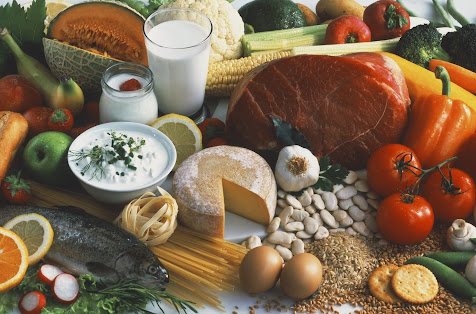
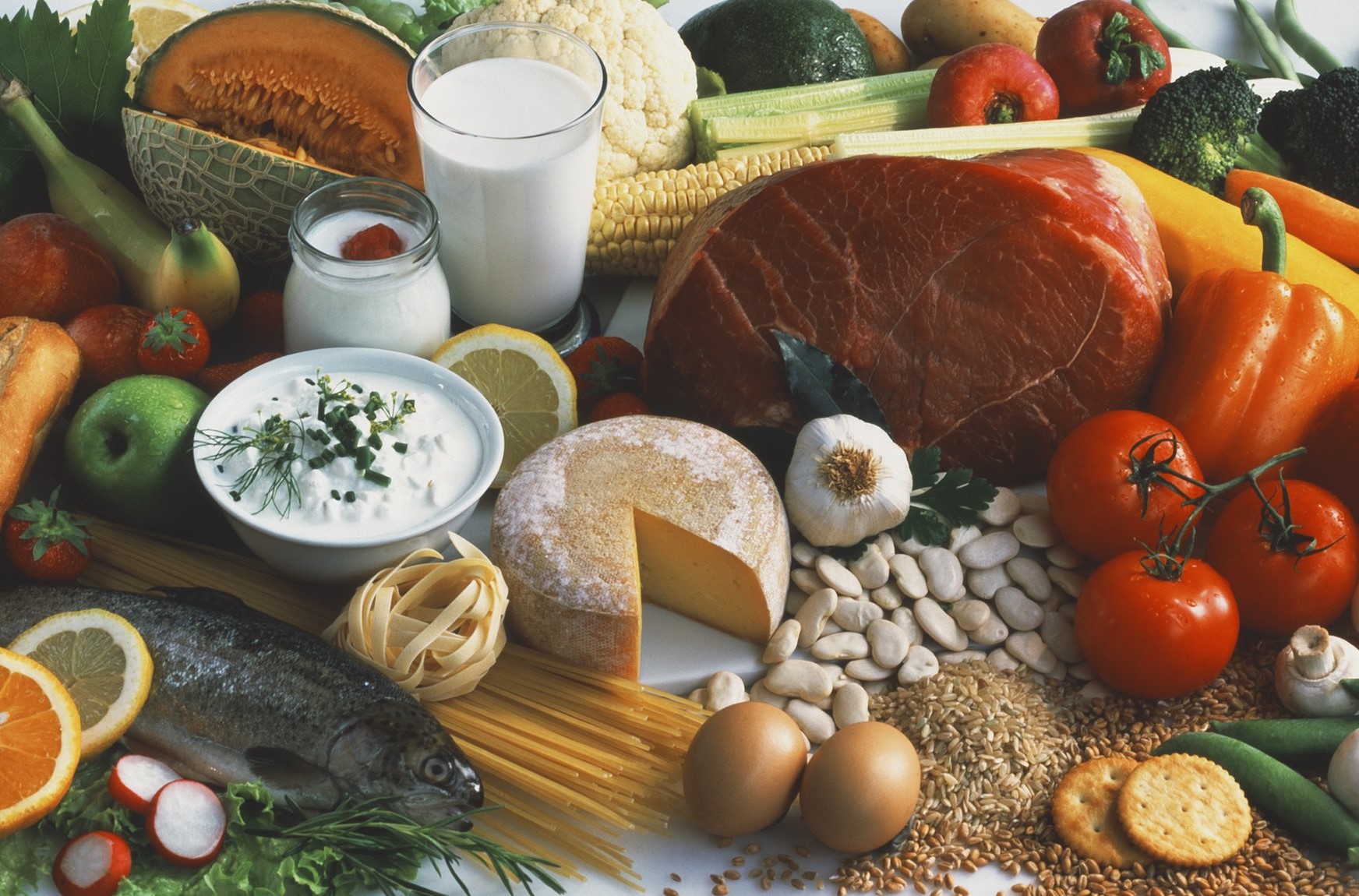
The DASH eating plan is rich in fruits, vegetables, fat-free or low-fat milk and milk products, whole grains, fish, poultry, beans, seeds, and nuts. It also contains less sodium; sweets, added sugars, and beverages containing sugar; fats; and red meats than the typical American diet. 

The DASH eating plan follows heart healthy guidelines to limit saturated fat and cholesterol. It focuses on increasing intake of foods rich in nutrients that are expected to lower blood pressure, mainly minerals (like potassium, calcium, and magnesium), protein, and fiber. 

It is a Mediterranean diet full of nutrients that are good for heart and good for body health. This eating plan is for 1,800 calories per day.
DASH eating plan
Thursday, October 08, 2015

Dietary Approaches to Stop Hypertension (DASH)

The typical North American diet can contain a whopping 3,500 mg of sodium or more a day – more than human body needed. Diets with high sodium content consistently have been cited as a cause of hypertension, confirmed in both animal and human studies.

High sodium intake is linked to high blood pressure, a risk factor for heart attack, among other serious health problems. Blood pressure can be unhealthy even of its stays only slightly above the normal level of less than 120/80 mmHg.

The Dietary Approaches to Stop Hypertension (DASH) diet is a dietary approach designed to help treat or prevent a high blood pressure.

Dietary patterns based on the Dietary Approaches to Stop Hypertension (DASH) diet, which is rich in fruits, vegetables and low fat dairy foods, with reduced saturated and total fat, together with a reduction in dietary sodium, may help in the management of hypertension.

General principles of the DASH Eating Plan:
*Low in saturated fat, cholesterol and total fat
*Emphasizes high in fruits, vegetables and fat-free or low-fat dairy products
*Includes whole grain products
*Includes lean meats, fish and poultry and nuts
*Reduced in lean red meat, sweets and sugared beverages
*Rich in magnesium, potassium, and calcium, as well as proteins and fiber

The DASH diet is low in cholesterol; high in dietary fiber, potassium, calcium and magnesium; and moderately high in protein.

The DASH eating plan follows heart healthy guidelines to limit saturated fat and cholesterol.

It focuses on increasing intake of foods rich in nutrients that are expected to lower blood pressure, mainly minerals (such as potassium, calcium and magnesium), protein and fiber.
Dietary Approaches to Stop Hypertension (DASH)

Monday, June 22, 2009

Oatmeal for Your Heart

Oatmeal for Your Heart
In recent years, clinical studies have affirmed the ability of oatmeal and oat bran to reduce blood cholesterol levels, lower blood pressure and generally reduce the long term risk of hart disease.

In recognition of these well-established benefits, in 1996 the US Food and Drug Administration (FDA) granted manufacturers/packagers of oatmeal the right to make specific health claim about this food, stating that diets high in oat meal or oat bran may reduce the risk of heart disease.

It was the first permissible health claim ever accorded to a food by the FDA, an agency that generally has favored drugs over natural substance.

In 1995, researchers at John Hopkins, in Baltimore, Maryland, reported that people who regularly consumed even a modest portion of oatmeal (one ounce cooked daily) had lower blood pressure and cholesterol readings than those who never ate oatmeal.

The study was based in the evaluation of 850 men, 17 – 77 years old living in China; their oatmeal consumption was 25 – 90 g daily.

The researchers stated that “the higher the oats intake, the lower the blood pressure,” regardless of other factors such as age and weight or alcohol sodium, or potassium intake, which are known to affect blood pressure.

According to researcher, it is oatmeal’s high content of water soluble fiber (beta glucan) that can produces the heart benefits.

A six-year study involving 22,000 middle-aged Finnish males showed that consuming as little as 3 g daily of soluble fiber (from the beta glucan fiber component of oats, barley or rye) reduce the risk of death from heart disease by 27%.
Oatmeal for Your Heart

Monday, January 26, 2009

Diet and Hypertension

Diet and Hypertension
There is a suggestion to recommend diets that consist of 30% fats, 20% - 25% protein and 45% - 50% carbohydrates. The fats should come from fish such as salmon, mackerel, Greenland halibut, cod and blue fish. This is o basically the so-called Mediterranean diet.

One study conducted in 1980s, investigating the rate of heart attacks over a ten year period for individual in European nations, revealed that the island of Crete reported no heart attacks as a cause of death, even though many of the residents had dangerously high cholesterol levels, a presumed risk factor for heart disease.

According to expert, the Mediterranean diet, rich in monounsaturated fat (olive oil) and antioxidants, has proved to be crucial in cardiovascular protection. This diet is low in saturated fats (such as dairy products and meats), high in fiber and antioxidants (vitamin C, beta carotene, and vitamin E) from fresh fruits and vegetables, and high in essential fatty acids, found in fish, flaxseed oil and other omega-3 oils.

Avocado and asparagus, commonly eaten in this diet, are rich in L-glutathione, an amino acid that can scavenge for harmful free radicals. An olive oil is the healthiest of oils as expert said. Also garlic and other members of the onion family (prominent in this diet) help because the significantly reduce blood pressure.
Diet and Hypertension

Wednesday, September 24, 2008

Atherosclerosis and Food Diet

Atherosclerosis and Food Diet
Atherosclerosis is used to describe several pathological processes occurring in a number of arteries and is responsible for coronary heart disease, stroke and diseases of the peripheral circulatory system. Atherosclerosis is a disease characterized by deposition of a fatty material on the walls of the arteries. Their material consists essentially of cholesterol, triglycerides fats, fibrous tissue and red blood cells. As the deposit continues to build, it restricts blood flow through the artery. When the coronary artery is involved, heart attack and death may follow.

Human studies have indicated a link between atherosclerosis and diet exists. The intake of saturated fat s and cholesterol increases the likehoods of having elevated serum cholesterol which is associated with arthrosclerosis. Other factors in addition to diet are associated with the occurrence of atherosclerosis. Among them are obesity, hypertension, diabetes, sedentary living, cigarette smoking, and high blood cholesterol levels. The latter may be cause by diet or be of hereditary origin. Although diet does appear to be involved, it must be emphasized that its relative importance in contributing to atherosclerosis is not entirely clear.

Since cholesterol, a sterol found in all animal tissues, eggs, milk and other foods of animal origin, is a component of the atherosclerosis deposit, it has been reasonable to hypothesize that foods high in cholesterol can contributed to atherosclerosis. Such food may increase the level of cholesterol in the blood. But other components of diet especially large quantities of saturated fats and sugars – also can result in high levels of blood cholesterol.

Furthermore, some investigators find that high levels of blood triglycerides correlate even more closely with coronary disease than do high levels of blood cholesterol. High levels of blood triglycerides also result from the consumption of large quantities of saturated fats and sugars. Whereas consumption of large quantities of saturated fats can increase levels of both cholesterol and triglycerides in the blood, liberal quantities of polyunsaturated vegetable oils tend to decrease blood cholesterol.
Atherosclerosis and Food Diet

The most popular Articles

Other interesting articles

  • Veins are vital blood vessels that play a central role in maintaining healthy circulation by returning blood to the heart. Together with arteries and capil...
  • Biotin, also known as vitamin B7 or sometimes referred to as vitamin H, is a water-soluble B-complex vitamin that plays a crucial role in maintaining the b...